How Artificial Intelligence is Sowing the Seeds of a Revolution: 5 Powerful Ways It’s Reshaping Farming in Southern Africa

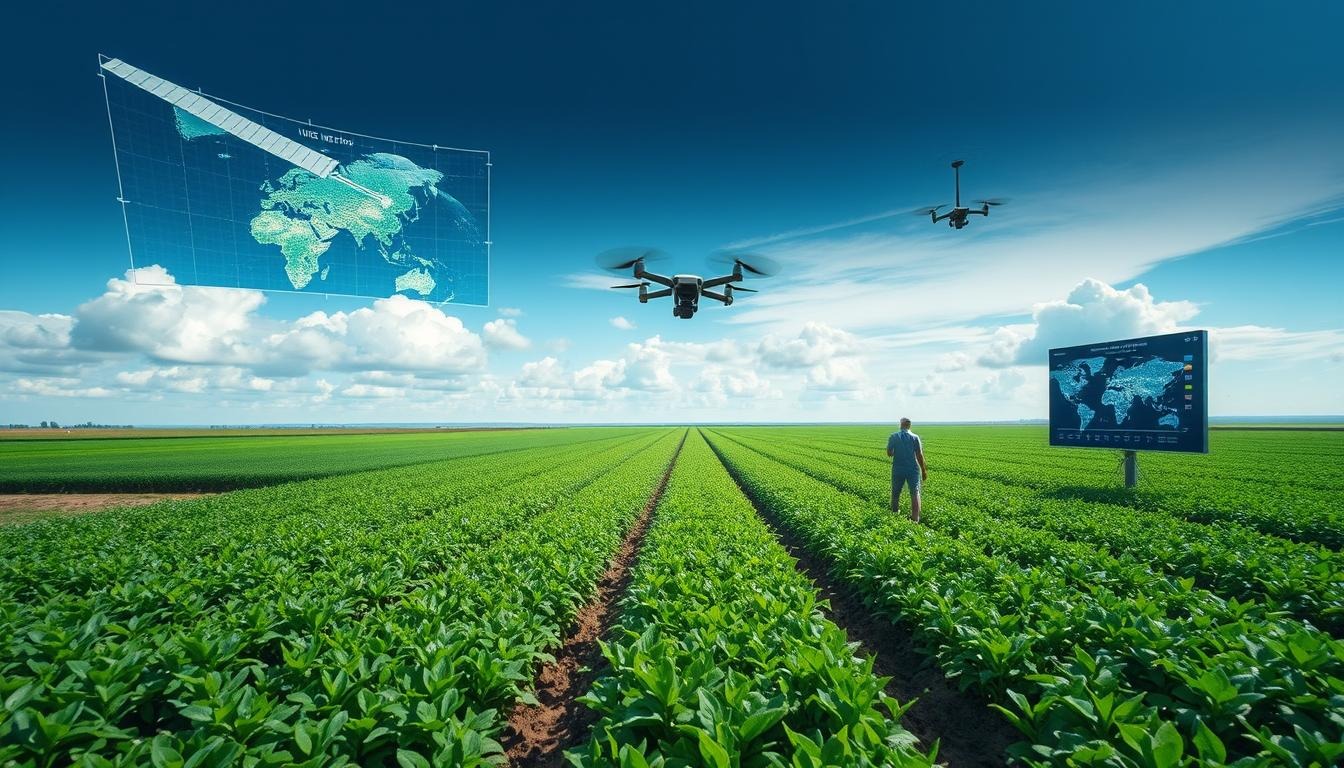
Table of Contents
How AI is Transforming Agriculture From Soil to Silo in Southern Africa
From the sprawling commercial farms to the vital smallholdings across Southern Africa, a quiet revolution is taking root. Artificial Intelligence (AI), once a buzzword of distant tech hubs, is emerging as a powerful tool to reshape agriculture, tackling unique regional challenges from climate volatility to resource constraints. This is not a distant future—it’s a growing reality, empowering farmers with data-driven insights to boost resilience, sustainability, and food security across the region.
Seeing the Unseen: Artificial Intelligence for Crop and Soil Health
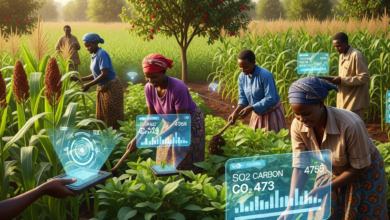
The foundation of a successful harvest lies in the soil, and AI provides an unprecedented window into this hidden world, which is especially critical in regions prone to drought and soil degradation. AI systems can analyse data from affordable ground sensors and satellite imagery to assess soil moisture, nutrient content, and overall health. This allows for Precision Application, where limited fertilisers and water are applied only where and when they are needed. This targeted approach is vital for cutting costs, conserving precious resources, and preventing over-application that can further harm vulnerable soils.
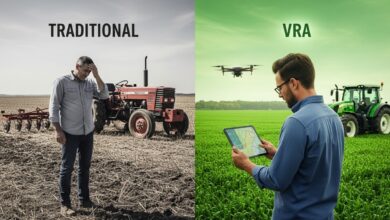
Above the ground, AI-powered analysis of drone and satellite imagery acts as a constant guardian for vast tracts of land. Algorithms can scan fields to monitor plant growth and detect the earliest signs of stress from drought, disease, or pest infestations like fall armyworm. This capability for early detection means farmers can address problems promptly with targeted interventions, minimising catastrophic crop losses. Furthermore, by analysing historical and current data, AI models can improve yield predictions, helping farmers and national agencies plan better for market logistics and food security.
The Connected Farm: Livestock and Smart Tools
The potential for AI extends to livestock management, a cornerstone of livelihoods in Southern Africa. Wearable sensors on cattle and goats can continuously track vital indicators like temperature and activity levels. AI analysis of this data can alert farmers to early signs of illness or distress, helping to protect valuable herds from disease outbreaks. For small-scale dairy farmers, simple monitoring systems can optimise herd health and improve milk production efficiency.
While large-scale autonomous machinery may be less common, Smart Farming tools powered by AI are increasingly accessible. Mobile applications can use AI to diagnose crop diseases from a smartphone photo, providing instant guidance to farmers in remote areas. Solar-powered sensors and automated irrigation systems, optimised by simple AI algorithms, can help manage water with extreme efficiency a critical advantage in arid regions.
Cultivating a Sustainable Artificial Intelligence and a Resilient Future
At its core, the drive for AI in Southern African agriculture aligns with the urgent need for Climate Resilience and sustainability. By optimising the use of every drop of water and every input, AI helps farmers “do more with less” and build buffers against climate shocks. This systematic reduction in waste protects natural resources and can contribute to reducing the environmental footprint of farming. In essence, AI is proving to be a powerful tool not just for improving harvests, but for strengthening the long-term viability of farming communities across the region.
Also Read : https://www.datadriveharvest.com/2025/12/14/ai-driven-regenerative-farming/
Balancing Promise with Artificial Intelligence Practicality
Adopting this new technology is not without its significant challenges in the Southern African context. The High Initial Costs and need for robust digital infrastructure can be barriers. There are also concerns about ensuring equitable access for smallholder farmers, the need for localised training, and developing solutions that work reliably with limited internet connectivity. A measured, context-specific approach that blends AI’s analytical power with deep local farming knowledge is crucial for success.
Conclusion: Harvesting a Smarter Artificial Intelligence Tomorrow
The thoughtful integration of AI into Southern African agriculture is more than a technological upgrade; it is a pathway to greater empowerment and security. From monitoring soil moisture via satellite to diagnosing cassava disease with a phone, AI is enabling a level of precision and proactive management that can transform livelihoods. While mindful navigation of its costs and complexities is necessary, the potential benefits for productivity, environmental stewardship, and regional food sovereignty are immense. The farm of the future in Southern Africa is intelligent, efficient, and resilient, and its foundations are being laid today.
Also Read : https://chat.whatsapp.com/HT6ebp6IWfcKsT9nwXhkXn?mode=hqrt2