AI Tools in Agriculture 2026: The Smart Farming Revolution Is Here

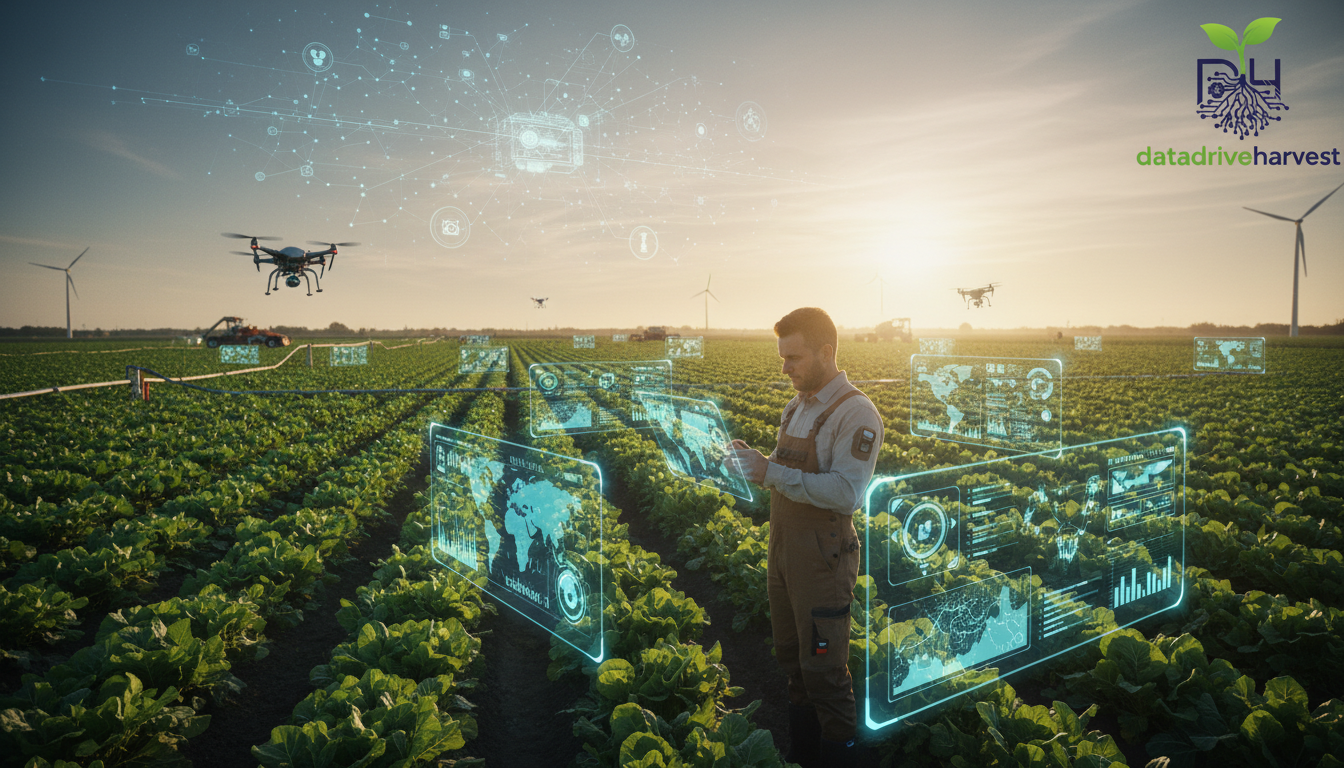
Table of Contents
How AI Tools in Agriculture 2026 Are Transforming Modern Farming
AI tools in agriculture 2026 are reshaping how farmers grow food, manage resources, and increase profitability. Across the globe, artificial intelligence is helping both smallholder farmers and large-scale agricultural enterprises make smarter, data-driven decisions. From predictive weather analytics to automated irrigation systems, smart farming technologies are no longer experimental — they are becoming essential.
In 2026, agriculture is more connected, automated, and efficient than ever before. Farmers now rely on AI-powered platforms to reduce costs, improve yields, and minimize environmental impact. If you’re looking to understand how AI is revolutionizing farming or how to start smart farming today, this guide breaks it down clearly.
Why AI in Agriculture Is Expanding Rapidly in 2026
The adoption of AI tools in agriculture 2026 has accelerated due to rising food demand, climate unpredictability, and the need for sustainable production. Artificial intelligence enables farmers to move from reactive farming to predictive farming.
Instead of responding to crop problems after they occur, farmers can now anticipate issues before they become costly.
Key benefits include:
- Increased crop yields through predictive analytics
- Reduced fertilizer and pesticide waste
- Real-time soil monitoring
- Accurate weather forecasting
- Early pest and disease detection
- Optimized irrigation management
These advantages are making AI-powered agriculture one of the fastest-growing sectors in agritech.
𝐉𝐨𝐢𝐧 𝐎𝐮𝐫 𝐖𝐡𝐚𝐭𝐬𝐀𝐩𝐩 𝐆𝐫𝐨𝐮𝐩 𝐟𝐨𝐫 𝐦𝐨𝐫𝐞 𝐔𝐩𝐝𝐚𝐭𝐞𝐬 : https://chat.whatsapp.com/HT6ebp6IWfcKsT9nwXhkXn?mode=hqrt2
Top 10 AI Tools in Agriculture 2026
Here are the most impactful AI tools transforming farming this year:
1. Climate FieldView
A digital farming platform that analyzes field data and provides predictive insights for planting and harvesting.
2. John Deere Operations Center
Integrates AI with smart machinery to automate farm operations and improve equipment efficiency.
3. Prospera Technologies
Uses computer vision to monitor crop health and detect diseases early.
4. IBM Environmental Intelligence Suite
Provides advanced weather forecasting and climate risk modeling for agriculture.
5. Taranis AI
Uses high-resolution imagery to detect nutrient deficiencies and field threats.
6. CropX
Smart soil sensors delivering real-time irrigation recommendations.
7. Blue River Technology
AI-powered precision spraying that reduces chemical usage.
8. FarmLogs
Farm management software that tracks costs and improves profitability.
9. OneSoil
Satellite-based AI monitoring for field health analysis.
10. Agremo
Drone-based crop analytics platform for field performance tracking.
These AI tools in agriculture 2026 allow farmers to maximize output while lowering operational risks.
𝐀𝐥𝐬𝐨 𝐑𝐞𝐚𝐝 : https://www.datadriveharvest.com/2026/01/27/ai-water-conservation/
How to Start Smart Farming in 2026
You don’t need a massive budget to begin using AI in agriculture. Here’s a simple beginner roadmap:
Start with Farm Data
Use satellite crop monitoring platforms to understand soil conditions and crop performance.
Invest in Smart Irrigation
AI-powered irrigation systems reduce water waste and improve crop consistency.
Use Weather Forecasting Tools
Advanced climate tools help you plan planting and harvesting more effectively.
Adopt Gradual Automation
Begin with pest detection tools before investing in full robotic systems.
By gradually integrating AI tools in agriculture 2026, farmers can transition smoothly into smart farming without financial strain.
Benefits of AI Tools in Agriculture 2026
Farmers using AI technologies are reporting measurable improvements:
- 15–30% increase in crop yields
- 20–40% reduction in water consumption
- Lower labor costs
- Improved sustainability compliance
- Faster decision-making through real-time insights
AI improves efficiency across every stage of farming — from soil preparation to post-harvest analysis.
Beyond financial gains, smart farming also supports environmental sustainability by minimizing waste and reducing chemical overuse.
The Future of Smart Farming
The future of agriculture is digital. In 2026, AI-driven farming is expanding across developing and developed regions alike. Governments are investing in agritech infrastructure, and private companies are developing affordable tools tailored to small-scale farmers.
Emerging technologies such as agricultural robotics, machine learning crop models, and AI-driven drones are becoming more accessible. As internet connectivity improves in rural areas, adoption rates are expected to rise even further.
Farmers who embrace AI tools in agriculture 2026 position themselves ahead of climate uncertainty, rising input costs, and global market competition.
Final Thoughts
AI tools in agriculture 2026 are no longer optional innovations — they are practical solutions driving the next wave of farming efficiency. Whether you are managing a small farm or overseeing large agricultural operations, integrating artificial intelligence into your workflow can dramatically improve productivity and sustainability.
Smart farming allows farmers to grow more with fewer resources, reduce environmental impact, and protect their income against unpredictable weather patterns.
The agricultural revolution is already underway. The question is not whether AI will shape farming — it’s whether you’re ready to adopt it.