10 Revolutionary Ways AI John Deere’s Partnership Could Transform African Agriculture

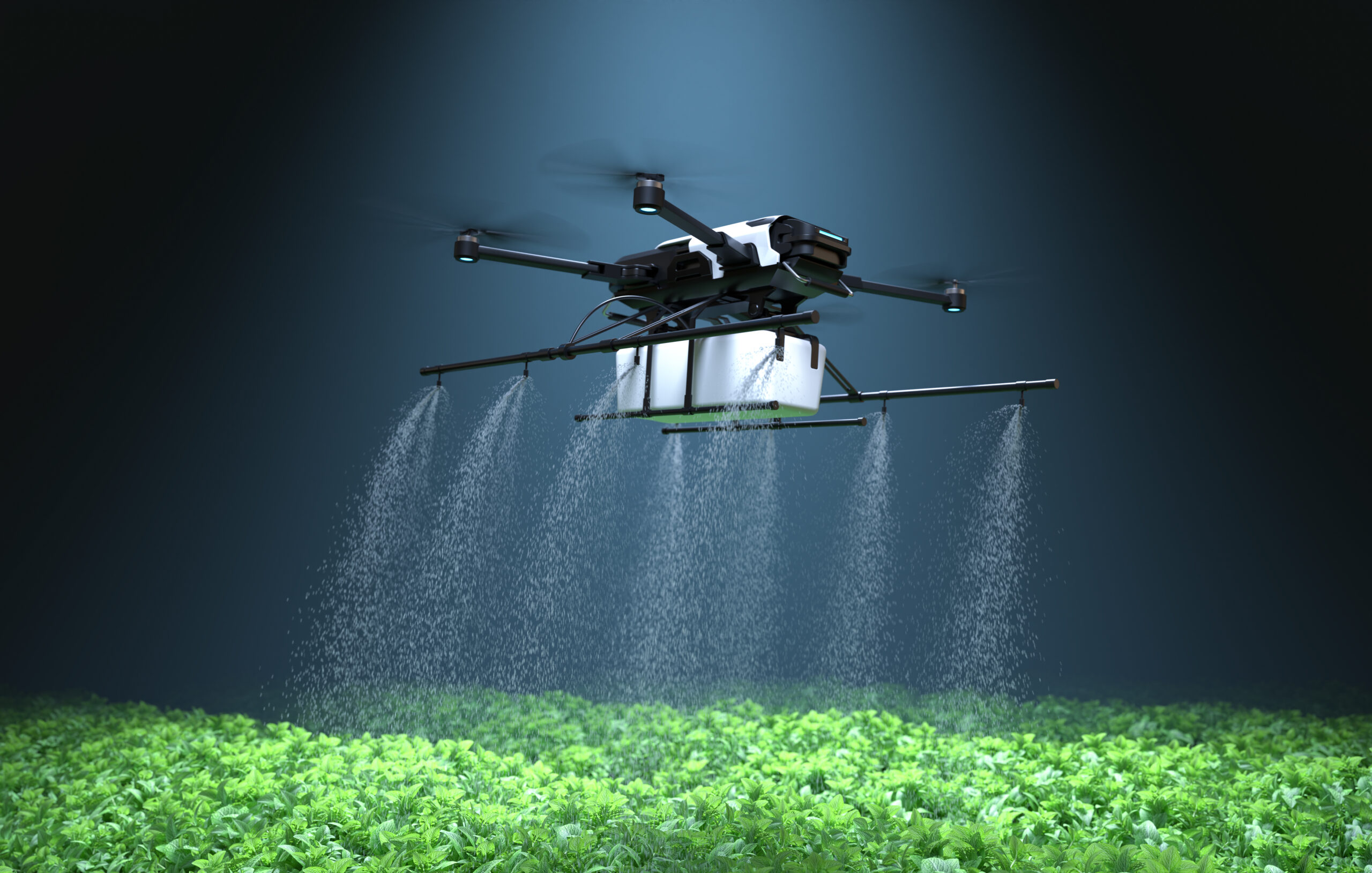
Table of Contents
The Rise of AI-Powered Farming in Africa
Artificial intelligence is rapidly reshaping global agriculture, and new AI – driven advancements from John Deere are set to redefine modern farming systems. For Africa, where agriculture supports a large share of livelihoods and contributes significantly to GDP in many countries, this technological shift presents enormous opportunity. From precision agriculture to smart machinery and data-driven decision-making, farming in Africa could accelerate productivity, strengthen food security, and boost rural incomes across the continent.
As African nations confront climate change, labor shortages, rising input costs, and growing food demand, Automation powered farming in Africa offers a pathway toward sustainable transformation.
How AI-Powered Farming Can Strengthen African Agriculture
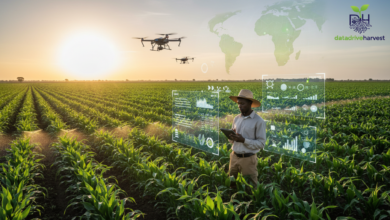
Africa’s agricultural sector is dominated by smallholder farmers who often face limited access to advanced machinery and farm analytics. Intelligent farming equipment and machine learning tools can dramatically improve how crops are planted, monitored, and harvested.
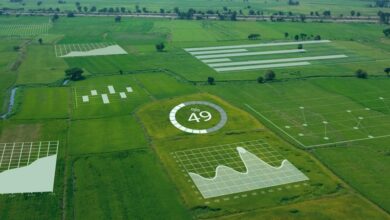
These systems embedded in tractors and farm equipment allow for precision agriculture, meaning seeds, fertilizer, and water can be applied exactly where needed. This reduces waste and increases yield per hectare. For African farmers managing tight budgets, this efficiency can translate into stronger profit margins and improved long-term sustainability.
Smart farming technology also improves soil health monitoring, helping farmers adopt climate-smart agriculture practices.
𝐀𝐥𝐬𝐨 𝐑𝐞𝐚𝐝 : https://www.datadriveharvest.com/2026/02/22/crop-yield-prediction-using-machine-learning/
Boosting Productivity Through Precision Agriculture
One of the most significant benefits of Innovation is improved productivity. Precision agriculture tools analyze soil conditions, weather patterns, and crop performance data to guide planting and harvesting decisions.
In African regions affected by erratic rainfall and unpredictable weather, predictive analytics can help farmers adapt more effectively. By reducing uncertainty and improving planning accuracy, how machinery can be powered and can support stable harvests and strengthen rural economies.
This approach aligns closely with sustainable agriculture goals by ensuring that increased output does not come at the expense of environmental degradation.
Reducing Post-Harvest Losses Across Africa
Post-harvest losses remain a major challenge across the continent, often reaching up to 30% of total production in some regions. Intelligent logistics systems , based on crop monitoring can help minimize waste.
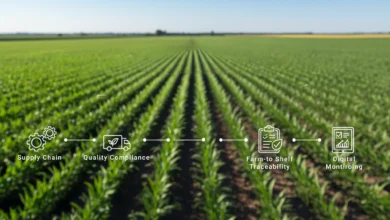
By predicting optimal harvest timing and improving storage management, smart farming systems reduce spoilage. Automation powered machinery can also streamline transportation routes and delivery scheduling, improving supply chain efficiency.
Reducing waste is critical for strengthening food security in Africa, where growing populations require consistent and reliable food production.
Supporting Climate-Smart Agriculture
Climate change is one of the most pressing threats to African agriculture. Droughts, floods, and shifting rainfall patterns are disrupting traditional farming calendars.
Farming systems incorporate climate data and real-time weather monitoring to support adaptive strategies. Farmers can adjust irrigation schedules, planting dates, and crop choices based on predictive insights.
This climate-smart agriculture approach ensures that productivity gains are sustainable. By optimizing water usage and minimizing chemical inputs, technology supports environmentally responsible farming practices.
Empowering African Farmers With Data-Driven Decisions
Access to reliable agricultural data remains limited in many rural communities. Data analytics can transform raw farm data into actionable insights, giving farmers clearer guidance on crop management and resource allocation.
With user-friendly dashboards and mobile integration, farmers can receive recommendations directly on their devices. This digital agriculture ecosystem empowers both commercial producers and smallholders to make informed decisions that increase efficiency and reduce risk.
Data-driven farming supports inclusive agricultural growth by democratizing access to advanced intelligence tools.
Addressing Labor Shortages Through Smart Automation
Many African regions face rural labor shortages due to urban migration. Intelligent machinery equipped with automation capabilities can address this gap.
Semi-autonomous tractors and smart equipment reduce dependency on manual labor while increasing operational efficiency. Farmers can focus more on strategic farm management rather than repetitive tasks.
Automation not only improves productivity but also enhances safety and precision in field operations.
𝐀𝐥𝐬𝐨 𝐑𝐞𝐚𝐝 : https://www.datadriveharvest.com/2026/01/16/ai-in-agriculture-2/
Strengthening Rural Economies and Food Security
The adoption of automation can power farming solutions could significantly strengthen rural economies. Higher yields, reduced waste, and improved market access increase farmer incomes.
Increased agricultural output supports local supply chains, agro-processing industries, and export potential. By improving competitiveness, African agriculture can better participate in global markets.
Stronger food production systems also reduce reliance on imports, contributing to national economic resilience.
Encouraging Investment in Digital Agriculture
AI innovation in agriculture can attract foreign and domestic investment into African farming systems. As technology becomes more accessible, partnerships between agritech companies, governments, and financial institutions are likely to expand.
Investment in rural broadband infrastructure and training programs will be essential to maximize impact. Building digital literacy among farmers ensures that AI adoption remains inclusive and scalable.
This digital transformation aligns with broader development strategies focused on modernization and economic diversification.
The Long-Term Vision for African Agriculture
The integration of Automation of farm equipment represents more than technological advancement; it signals a structural shift in how agriculture operates. As predictive analytics, smart irrigation, and autonomous systems become more common, Africa has the opportunity to leapfrog traditional development stages.
By adopting automation powered farming solutions responsibly, African countries can build resilient agricultural systems capable of feeding growing populations while protecting natural resources.
The future of agriculture in Africa depends on innovation that balances productivity with sustainability. Intelligent farming systems offer that balance.
𝐉𝐨𝐢𝐧 𝐎𝐮𝐫 𝐖𝐡𝐚𝐭𝐬𝐀𝐩𝐩 𝐠𝐫𝐨𝐮𝐩 𝐟𝐨𝐫 𝐦𝐨𝐫𝐞 𝐮𝐩𝐝𝐚𝐭𝐞𝐬 : https://chat.whatsapp.com/HT6ebp6IWfcKsT9nwXhkXn?mode=hqrt2
Conclusion
John Deere’s automation advancements demonstrate how smart farming technology can reshape agriculture worldwide. For Africa, the benefits could be transformative. From precision agriculture and climate-smart farming to improved supply chain efficiency and rural economic growth, automation powered farming provides practical solutions to longstanding challenges.
As infrastructure improves and digital adoption accelerates, African agriculture stands at the threshold of a new era. With the right investments and inclusive policies, innovation can help the continent achieve stronger food security, higher productivity, and sustainable development.