The Revolutionary Power of Artificial Intelligence in Greenhouses Transforming Modern Agriculture 2026.

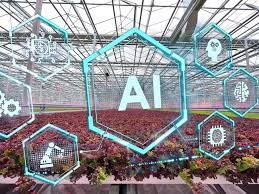
Table of Contents
Introduction
Agriculture is undergoing a major transformation as new technologies help farmers improve productivity and efficiency. One of the most important developments in modern farming is artificial intelligence in greenhouses. This technology enables farmers to monitor environmental conditions, automate systems, and improve crop production with greater accuracy.
Artificial intelligence in greenhouses combines sensors, machine learning, and data analytics to maintain optimal growing conditions for plants. Instead of relying on manual monitoring, farmers can now use intelligent systems that continuously analyze greenhouse environments and automatically make adjustments. These innovations are helping growers produce higher yields while reducing waste and operational costs.
Understanding Artificial Intelligence in Greenhouses
Artificial intelligence in greenhouses refers to the use of intelligent algorithms and automated systems that analyze agricultural data and make decisions that improve crop management. These systems collect real-time data through sensors placed throughout the greenhouse environment.
The sensors measure factors such as temperature, humidity, light intensity, carbon dioxide levels, and soil moisture. The AI system then processes this information and determines whether adjustments are needed to maintain optimal plant growth conditions. IT allows farmers to respond quickly to environmental changes, ensuring plants grow in a stable and controlled environment.
By continuously learning from data patterns, these systems become more accurate over time. As a result, greenhouse operators can achieve more consistent crop production with fewer manual interventions.
Benefits of Artificial Intelligence in Greenhouses
Improved Crop Productivity
One of the biggest advantages of artificial intelligence has its ability to increase crop productivity. AI-powered systems analyze plant growth patterns and environmental conditions to identify the best strategies for improving yields.
When greenhouse conditions are properly regulated, plants receive the right amount of light, nutrients, and water. Artificial intelligence in greenhouses ensures that these factors remain balanced throughout the growing cycle. As a result, farmers can produce healthier crops and maximize their harvests.
Efficient Resource Management
Another important benefit of artificial intelligence in greenhouses is the efficient use of agricultural resources. Traditional farming often relies on fixed irrigation and fertilization schedules, which can lead to unnecessary waste.
AI-driven systems monitor soil moisture levels and plant needs in real time. Artificial intelligence in greenhouses then determines exactly when and how much water or nutrients should be delivered. This precise approach reduces water consumption, minimizes fertilizer waste, and lowers operational costs.
Efficient resource management is especially important in regions where water scarcity and climate variability are major challenges.
𝐀𝐥𝐬𝐨 𝐑𝐞𝐚𝐝 : https://www.datadriveharvest.com/2026/02/23/ai-tools-in-agriculture-2026/
Early Pest and Disease Detection
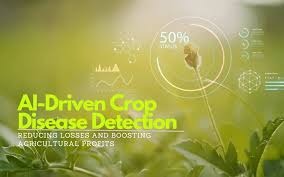
Crop diseases and pests can spread quickly inside greenhouse environments if not detected early. AI in greenhouses helps farmers identify potential threats before they become serious problems.
Advanced computer vision systems analyze images of plants and detect early signs of disease, nutrient deficiencies, or insect damage. Artificial intelligence in greenhouses can alert farmers immediately when abnormalities are detected. Early detection allows growers to take preventive measures and avoid large-scale crop losses.
Key Applications of AI in Greenhouses
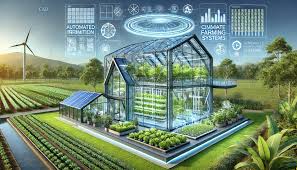
Climate Control Automation
Maintaining the right climate inside a greenhouse is critical for successful crop production. AI in greenhouses allows automated systems to regulate temperature, humidity, and ventilation based on real-time environmental data.
When temperatures rise too high, the system can activate cooling systems or open ventilation panels. When humidity levels drop, irrigation or misting systems may be triggered. Artificial intelligence in greenhouses ensures that plants remain in the most favorable conditions for growth.
Smart Irrigation Systems
Water management plays a crucial role in greenhouse agriculture. AI in greenhouses enables smart irrigation systems that deliver water based on plant requirements instead of predetermined schedules.
Sensors continuously measure soil moisture and plant conditions. Artificial intelligence in greenhouses analyzes this data and determines the precise amount of water needed. This targeted irrigation method improves water efficiency and prevents both overwatering and drought stress.
Data-Driven Decision Making
Modern farming increasingly depends on accurate data analysis. AI in greenhouses collects large amounts of information about crop performance and environmental conditions.
This data is processed to generate insights that help farmers make better decisions about planting schedules, fertilization strategies, and crop management techniques. Artificial intelligence in greenhouses also supports predictive analytics that can forecast crop yields and identify potential production risks.
These insights allow greenhouse operators to plan more effectively and increase profitability.
𝐉𝐨𝐢𝐧 𝐎𝐮𝐫 𝐖𝐡𝐚𝐭𝐬𝐀𝐩𝐩 𝐠𝐫𝐨𝐮𝐩 𝐟𝐨𝐫 𝐦𝐨𝐫𝐞 𝐔𝐩𝐝𝐚𝐭𝐞𝐬 : https://chat.whatsapp.com/HT6ebp6IWfcKsT9nwXhkXn?mode=hqrt2
Robotics and Automated Farming
In advanced greenhouse facilities, robotics and automation are becoming more common. Artificial intelligence in greenhouses powers robotic systems that assist with planting, pruning, and harvesting crops.
These machines use computer vision technology to identify ripe fruits or vegetables and harvest them carefully without damaging the plants. Artificial intelligence in greenhouses improves efficiency by reducing labor requirements and ensuring consistent harvesting operations.
Automation also allows large greenhouse farms to operate more efficiently while maintaining high production standards.
Artificial Intelligence in Greenhouses and Sustainable Agriculture
Sustainability has become a major focus in modern agriculture. Artificial intelligence in greenhouses supports sustainable farming practices by reducing resource waste and improving environmental management.
AI systems ensure that water, fertilizers, and energy are used efficiently. Artificial intelligence in greenhouses also helps reduce the need for excessive pesticide use by detecting plant health issues early. These improvements help protect ecosystems while maintaining strong agricultural productivity.
In addition, greenhouse farming supported by AI can produce food in controlled environments that are less affected by extreme weather conditions.
The Future of Artificial Intelligence in Greenhouses
The future of artificial intelligence in greenhouses looks extremely promising as new technologies continue to emerge. Advances in sensors, robotics, and machine learning will make greenhouse operations even more intelligent and automated.
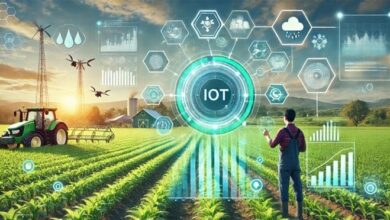
Artificial intelligence in greenhouses is expected to integrate more closely with Internet of Things (IoT) devices, allowing farmers to manage greenhouse systems remotely using smartphones and cloud platforms. These technologies will enable real-time monitoring and rapid response to changing environmental conditions.
As global food demand continues to grow, artificial intelligence in greenhouses will play an essential role in ensuring efficient and sustainable food production.
Conclusion
Modern agriculture is increasingly relying on advanced technologies to meet the challenges of population growth and climate change. Artificial intelligence in greenhouses is one of the most powerful tools helping farmers improve productivity and sustainability.
Through climate automation, smart irrigation, disease detection, and data-driven insights, artificial intelligence in greenhouses enables growers to manage crops more efficiently than ever before. These technologies not only increase yields but also reduce environmental impact and operational costs.
As innovation continues, artificial intelligence in greenhouses will remain a key driver of smart agriculture and the future of food production.