Precision Agriculture Software Platforms: Revolutionizing Smart Farming in 2026.

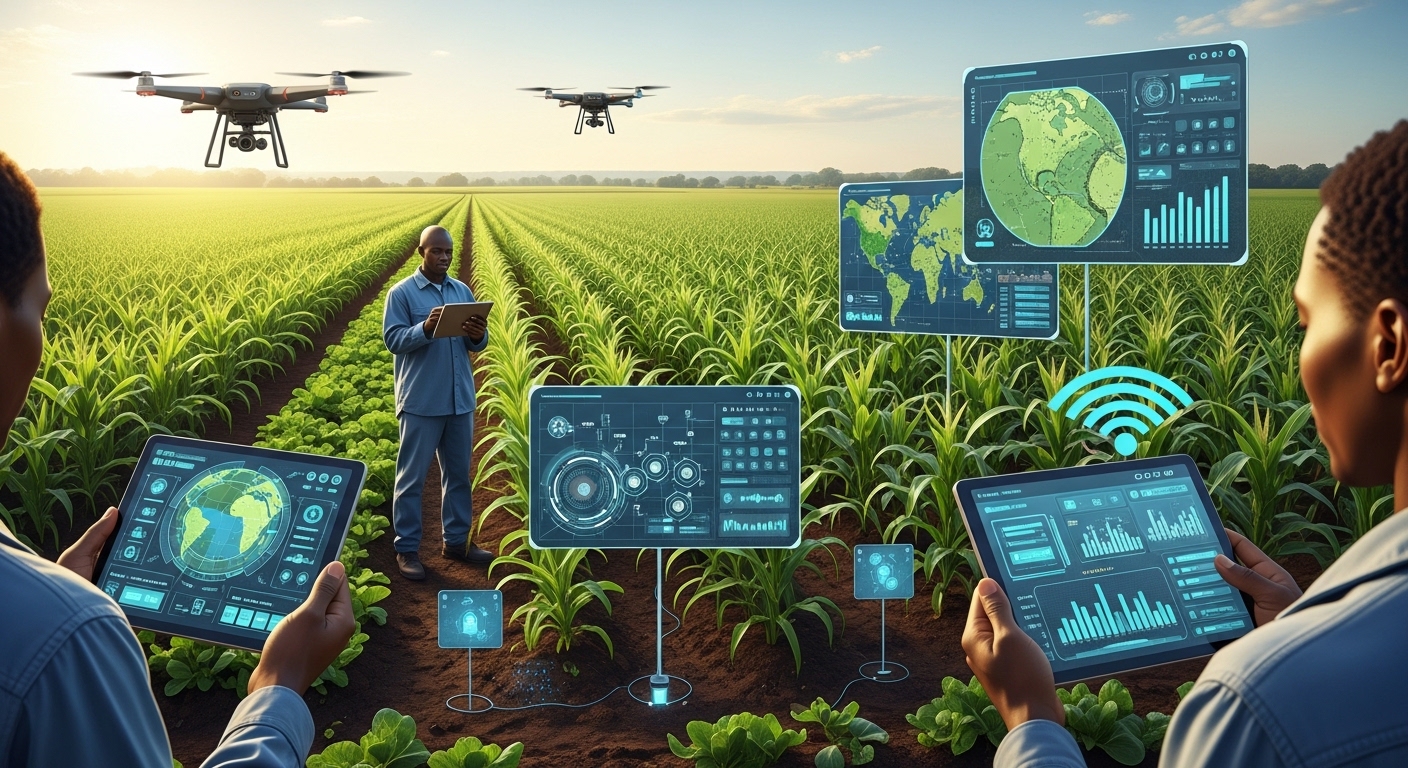
Table of Contents
Introduction to Precision Agriculture Software Platforms
Precision agriculture software platforms are a form of modern farming is no longer just about planting and harvesting crops. Today, technology is driving agriculture toward precision, efficiency, and sustainability. Precision agriculture software platforms are leading this transformation, allowing farmers to make data-driven decisions that optimize crop yields, reduce resource waste, and improve overall farm management.
Precision agriculture software platforms combine the power of artificial intelligence, big data, satellite imagery, and IoT devices to deliver actionable insights directly to farmers. These platforms analyze field conditions, monitor soil health, track weather patterns, and provide real-time updates, enabling farmers to manage every aspect of their operations with unprecedented accuracy.
In 2026, precision agriculture software platforms have become essential for both smallholder farmers and large commercial farms. With global food demand rising, farmers need advanced tools to maximize efficiency while maintaining sustainability. These platforms empower farmers to take control of their fields and make smarter, more profitable decisions.
What Is Precision Agriculture Software?
Precision agriculture software refers to digital platforms and applications designed to help farmers optimize farming practices. Unlike traditional farming methods, which often rely on uniform treatments across fields, precision agriculture tailors interventions based on real-time data from specific areas.
These platforms integrate multiple data sources, including:
- Satellite and drone imagery
- Soil sensors
- Weather data
- Farm machinery and equipment
By analyzing this data, precision agriculture software platforms generate actionable recommendations for planting, fertilization, irrigation, and harvesting. Farmers can visualize their farm operations, identify problem areas, and implement strategies that maximize productivity and resource efficiency.
With precision agriculture software platforms, farmers can also track historical trends, predict future outcomes, and make decisions that reduce costs while improving yields.
𝐀𝐥𝐬𝐨 𝐑𝐞𝐚𝐝 : https://www.datadriveharvest.com/2026/02/23/erp-software-for-agriculture-in-southern-africa/
Key Features of Precision Agriculture Software Platforms
The best precision agriculture software platforms share several core features that make them indispensable for modern farmers.
1. Field Mapping and Soil Analysis
Precision agriculture software platforms allow farmers to create detailed maps of their fields. These maps highlight soil types, nutrient levels, moisture content, and other critical factors. By understanding the variability across fields, farmers can apply fertilizers and water only where needed, reducing waste and costs.
2. Crop Monitoring
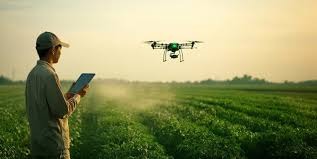
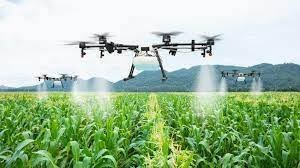
Using satellite imagery, drones, and sensors, these platforms track crop health in real time. Farmers can detect early signs of disease, pest infestations, or nutrient deficiencies. The software alerts farmers to take timely action, preventing widespread crop loss.
3. Predictive Analytics
One of the most powerful features of precision agriculture software platforms is predictive analytics. By analyzing historical data and current conditions, these platforms forecast yields, growth rates, and potential risks. This allows farmers to make proactive decisions rather than reactive ones.
4. Farm Equipment Integration
Modern precision agriculture platforms can connect with farm machinery, including tractors, planters, and irrigation systems. This integration allows automated adjustments in planting, fertilization, and irrigation based on software recommendations, saving time and labor.
5. Decision Support Tools
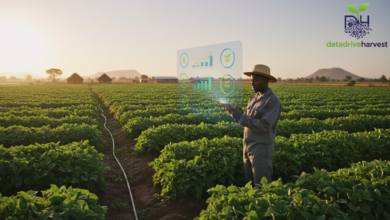
Precision agriculture software platforms often include dashboards that provide easy-to-understand insights and recommendations. These tools help farmers plan seasonal activities, allocate resources efficiently, and track performance against goals.
𝐉𝐨𝐢𝐧 𝐎𝐮𝐫 𝐖𝐡𝐚𝐭𝐬𝐀𝐩𝐩 𝐆𝐫𝐨𝐮𝐩 𝐟𝐨𝐫 𝐦𝐨𝐫𝐞 𝐮𝐩𝐝𝐚𝐭𝐞𝐬 : https://chat.whatsapp.com/HT6ebp6IWfcKsT9nwXhkXn?mode=hqrt2
Benefits of Using Precision Agriculture Software Platforms
Adopting precision agriculture software platforms provides numerous benefits for farmers across all scales of operation.
Increased Crop Yields
By using accurate field data and predictive analytics, farmers can optimize planting patterns, irrigation schedules, and fertilization strategies. Precision agriculture software platforms ensure crops receive the right resources at the right time, leading to higher yields.
Cost Reduction
Precision agriculture software platforms reduce input costs by ensuring fertilizers, water, and pesticides are applied only where needed. This targeted approach reduces waste, lowers operating costs, and improves profitability.
Sustainability
These platforms promote environmentally responsible farming. By optimizing resource use and minimizing chemical application, farmers can maintain soil health, reduce water consumption, and lower their environmental footprint.
Risk Management
Predictive features in precision agriculture software platforms allow farmers to anticipate issues such as pest outbreaks, extreme weather, or crop diseases. Early detection and timely interventions minimize losses and protect investments.
Data-Driven Decision Making
Precision agriculture software platforms empower farmers to make informed decisions based on data rather than guesswork. With real-time monitoring and analysis, farmers can plan their operations strategically and confidently.
Top Precision Agriculture Software Platforms in 2026
Several platforms stand out for their features, usability, and impact on modern farming.
1. CropX
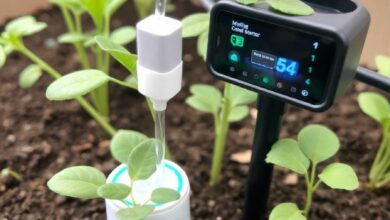
CropX is a precision irrigation and soil analytics platform. It integrates soil sensors with cloud-based analytics to provide real-time irrigation recommendations. Farmers using CropX can reduce water usage while improving crop yields.
2. Climate FieldView
Climate FieldView allows farmers to collect, store, and analyze field data in one platform. It provides insights into soil conditions, crop health, and weather patterns, helping farmers make precise decisions.
3. John Deere Operations Center
John Deere Operations Center integrates with farm equipment to provide detailed field mapping, equipment monitoring, and data analysis. Farmers can optimize planting and harvesting based on accurate machine and field data.
4. Trimble Ag Software
Trimble Ag Software offers precision farming solutions for crop planning, soil management, and yield analysis. Its predictive tools allow farmers to maximize efficiency and profitability.
5. Granular
Granular is a farm management platform designed for operational efficiency. It tracks farm operations, financials, and crop performance, providing insights that help farmers make strategic decisions.
How Precision Agriculture Software Platforms Improve Farmer Productivity
Precision agriculture software platforms transform productivity in multiple ways:
- Optimized Input Application
Fertilizers, water, and pesticides are applied only where needed, reducing waste and cost. - Automated Equipment Management
Tractors and irrigation systems can be controlled and monitored through integrated software, saving time and labor. - Early Problem Detection
Pests, diseases, and nutrient deficiencies are identified quickly, allowing faster interventions. - Better Planning
Farmers can plan planting, irrigation, and harvesting schedules based on predictive analytics. - Data Consolidation
All farm data is centralized, making it easier to monitor trends and make strategic decisions.
Challenges and Considerations
While precision agriculture software platforms offer significant benefits, there are challenges farmers must consider:
High Implementation Costs
Some platforms require investment in sensors, drones, and compatible machinery. Smallholder farmers may need financial support or affordable subscription models.
Digital Literacy
Farmers need basic technical skills to operate precision agriculture software platforms effectively. Training programs may be required for widespread adoption.
Connectivity Issues
Many platforms rely on cloud-based systems and real-time data. In areas with poor internet access, connectivity can limit performance.
Integration with Existing Systems
Some farmers already use equipment or software that may not fully integrate with precision agriculture platforms, which can create complexity.
Despite these challenges, the long-term benefits of precision agriculture software platforms outweigh the obstacles, especially as technology becomes more accessible and user-friendly.
The Future of Precision Agriculture Software Platforms
The future of precision agriculture is closely tied to artificial intelligence, machine learning, and IoT integration. Precision agriculture software platforms will become more advanced, offering:
- Fully automated decision-making based on AI insights
- Seamless integration with robotics for planting, harvesting, and irrigation
- Real-time environmental monitoring using satellites, drones, and sensors
- Predictive tools to help farmers adapt to climate change and market fluctuations
Farmers who adopt precision agriculture software platforms early will gain a competitive advantage, achieving higher productivity, lower costs, and improved sustainability.
Conclusion
Precision agriculture software platforms are transforming modern farming by providing farmers with data-driven tools to optimize operations. From monitoring crops and soil conditions to automating equipment and predicting yields, these platforms help farmers increase efficiency, reduce costs, and make informed decisions.
As global food demand rises, adopting precision agriculture software platforms becomes essential for farmers aiming to maximize production while maintaining sustainability. By integrating these tools into everyday farm operations, farmers can ensure higher yields, better resource management, and long-term profitability.
For farmers ready to embrace the future of agriculture, precision agriculture software platforms are not just an option—they are the key to modern, efficient, and sustainable farming in 2026 and beyond.
𝐀𝐥𝐬𝐨 𝐑𝐞𝐚𝐝 : https://www.datadriveharvest.com/2026/03/04/artificial-intelligence-6/