90% Faster Claims: Why Data-Driven Agriculture Insurance Is Taking Over Farming 2026.


Table of Contents
Introduction
Agriculture is one of the most unpredictable industries in the world. From droughts and floods to pests and changing climate patterns, farmers constantly face risks that can wipe out entire seasons of hard work. Traditional insurance systems have struggled to keep up with these uncertainties—often relying on slow, manual assessments that delay payouts and create inefficiencies.
Today, a powerful transformation is underway. Data-driven agriculture insurance, powered by satellite imagery and artificial intelligence, is reshaping how risk is measured, managed, and insured. Companies like Planet Labs are leading this shift by providing real-time Earth data, while innovators such as IBM are applying AI to turn that data into actionable insights.
This new model is faster, smarter, and more transparent—offering farmers a reliable safety net while improving the efficiency of insurance providers. In this article, we explore how satellite data and AI are transforming agriculture insurance and what it means for the future of farming.
What Is Data-Driven Agriculture Insurance?
Data-driven agriculture insurance uses advanced technologies like satellite imagery, machine learning, and remote sensing to assess agricultural risks and automate insurance processes.
Unlike traditional systems that rely on field inspections, data-driven agriculture insurance leverages:
- Satellite monitoring
- Weather data analytics
- AI-powered risk models
- Automated claims verification
This approach allows insurers to evaluate crop conditions in near real time, making decisions more accurate and efficient.
Why Traditional Agriculture Insurance Falls Short
Traditional agriculture insurance has long been plagued by inefficiencies:
- Delayed assessments that slow down payouts
- High operational costs due to manual inspections
- Limited accuracy caused by human error
- Lack of transparency in claim evaluations
These challenges leave farmers exposed during critical moments. Data-driven agriculture insurance addresses these issues by introducing speed, precision, and accountability.
𝐀𝐥𝐬𝐨 𝐑𝐞𝐚𝐝 : https://www.datadriveharvest.com/2026/03/18/crop-intelligence/
How Satellite Data Is Transforming Agriculture Insurance
Satellite technology is at the core of data-driven agriculture insurance. Companies like Planet Labs capture high-resolution images of farmland daily, providing continuous data streams.
Real-Time Crop Monitoring
Satellite imagery allows insurers to monitor:
- Crop growth stages
- Vegetation health
- Soil moisture levels
This real-time visibility ensures that risks are identified early and managed effectively.
Large-Scale Coverage
Satellite systems make it possible to monitor vast agricultural areas without physical inspections. This scalability is essential for expanding data-driven agriculture insurance to more regions and farmers.
Objective Assessments
Using satellite data eliminates bias and subjectivity. Insurers rely on consistent data rather than manual evaluations, improving fairness and trust.
The Role of AI in Agriculture Insurance
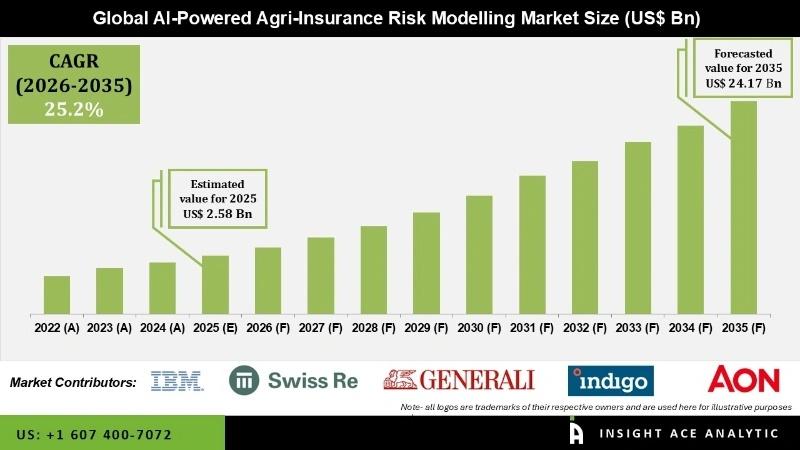
Artificial intelligence enhances data-driven agriculture insurance by analyzing massive datasets and identifying patterns that would otherwise go unnoticed.
Predictive Risk Modeling
AI systems analyze both historical and real-time data to forecast risks such as droughts, floods, and pest outbreaks. Companies like Google and Microsoft are advancing machine learning models that improve prediction accuracy.
Automated Claims Processing
AI speeds up claims by:
- Comparing satellite images before and after events
- Detecting anomalies in crop performance
- Verifying losses without manual inspections
This significantly reduces waiting time for farmers.
Precision Insurance Products
Data-driven agriculture insurance enables insurers to create tailored policies. Farmers receive coverage based on their specific risks, rather than generalized plans.
𝐉𝐨𝐢𝐧 𝐎𝐮𝐫 𝐖𝐡𝐚𝐭𝐬𝐀𝐩𝐩 𝐆𝐫𝐨𝐮𝐩 𝐟𝐨𝐫 𝐌𝐨𝐫𝐞 𝐔𝐩𝐝𝐚𝐭𝐞𝐬
Benefits of Data-Driven Agriculture Insurance
Faster Payouts
Automation ensures quicker claim settlements, allowing farmers to recover and continue operations without long delays.
Reduced Costs
By minimizing manual processes, insurers lower costs, which can lead to more affordable premiums.
Improved Accuracy
Advanced data analytics provide a clearer picture of farm conditions, reducing errors and disputes.
Increased Transparency
Farmers can access data insights, making insurance decisions more understandable and trustworthy.
Real-World Applications
Index-Based Insurance
Data-driven agriculture insurance supports index-based models where payouts are triggered by measurable indicators like rainfall levels or vegetation health.
Climate Risk Monitoring
AI continuously tracks environmental conditions, helping insurers adjust coverage based on real-time risks.
Disaster Response
Satellite imagery provides immediate insights after natural disasters, enabling faster assistance and recovery.
𝐀𝐥𝐬𝐨 𝐑𝐞𝐚𝐝 : https://www.datadriveharvest.com/2026/03/25/ai-carbon-farming/
Data-Driven Agriculture Insurance in Africa
Africa has significant potential to benefit from data-driven agriculture insurance. Many farmers currently lack access to reliable insurance, but digital solutions can bridge this gap.
Countries like Kenya and Nigeria are adopting digital agriculture technologies that support this transformation.
Opportunities for Africa
- Expanding insurance access to smallholder farmers
- Reducing financial risks in agriculture
- Strengthening food security
By leveraging satellite data and AI, African agriculture can become more resilient and sustainable.
Challenges and Limitations
Despite its advantages, data-driven agriculture insurance faces several challenges:
- Limited data availability in some regions
- High initial technology costs
- Need for digital literacy among farmers
- Evolving regulatory frameworks
Addressing these issues will be critical for widespread adoption.
The Future of Agriculture Insurance
The future of data-driven agriculture insurance is centered on innovation and scalability. Key developments include:
Integration with Blockchain
Blockchain can enhance transparency and security in insurance transactions.
Advanced AI Capabilities
More sophisticated AI models will further improve predictions and decision-making.
Increased Accessibility
As costs decrease, more farmers will gain access to digital insurance solutions.
Why This Matters Now
Climate change is increasing agricultural risks worldwide. Farmers need reliable systems to manage uncertainty and protect their livelihoods.
Data-driven agriculture insurance offers a modern solution by delivering accurate assessments, faster payouts, and improved risk management. This strengthens both individual farms and the global food system.
Conclusion
Data-driven agriculture insurance is transforming how farmers and insurers manage agricultural risks. By combining satellite data and artificial intelligence, companies like Planet Labs and IBM are enabling faster, more accurate, and transparent insurance processes.
For farmers, this means better protection and greater confidence in uncertain conditions. For regions like Africa, it opens the door to scalable, tech-driven solutions that support sustainable growth.
As technology continues to evolve, data-driven agriculture insurance will play a central role in building a more resilient and secure agricultural future.