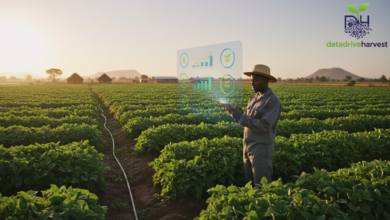
Explosive Growth of Agritech Startups in Africa: Transforming Agriculture and Unlocking Massive Opportunities 2026.

Table of Contents
Explosive Growth of Agritech Startups in Africa: How Innovation Is Unlocking the True Power of Agriculture
Africa’s agricultural sector is undergoing a powerful transformation — and agritech startups are leading the revolution. Across the continent, innovative companies are using technology to modernize farming, improve food security, increase farmer incomes, and strengthen supply chains. As highlighted by leading startup intelligence platforms tracking agritech startups in Africa, investment and innovation in this space continue to accelerate.
Agriculture employs more than 60% of Africa’s workforce, yet productivity has historically lagged behind global averages due to limited mechanization, climate risks, fragmented markets, and financing gaps. Today, agritech startups in Africa are solving these challenges through digital platforms, AI-powered tools, fintech solutions, and data-driven farming systems.
This wave of innovation is not only transforming farms — it is reshaping entire agricultural ecosystems.
𝐀𝐥𝐬𝐨 𝐑𝐞𝐚𝐝 : https://www.datadriveharvest.com/2026/01/16/ai-in-agriculture-2/
The Rise of Agritech Startups in Africa
The number of agritech startups in Africa has grown rapidly over the past decade. These startups operate across multiple segments, including:
- Precision farming and smart irrigation
- Digital marketplaces connecting farmers to buyers
- Agricultural fintech and credit access platforms
- Supply chain logistics solutions
- Climate-smart agriculture tools
- Farm management software and AI analytics
From Nigeria and Kenya to South Africa, Egypt, and Ghana, agritech innovation hubs are emerging, attracting venture capital, impact investors, and global development funding.
This growth signals a shift from subsistence farming toward commercially viable, technology-enabled agriculture.
How Startups Are Increasing Farmer Productivity
One of the most significant benefits agritech startups in Africa provide is improved productivity. Many smallholder farmers lack access to timely information about weather patterns, soil conditions, pest outbreaks, and optimal planting schedules.
Agritech startups are solving this by offering:
1. Data-Driven Farm Management
Mobile apps and digital dashboards provide farmers with real-time insights on crop health, irrigation needs, and fertilizer application. With better information, farmers can make smarter decisions that increase yields while reducing waste.
2. AI and Satellite Monitoring
Startups are leveraging satellite imagery, artificial intelligence, and remote sensing technology to detect crop stress early. This allows farmers to intervene before losses occur, improving overall farm efficiency.
3. Climate-Smart Agriculture Solutions
With climate change affecting rainfall patterns across Africa, startups are developing predictive weather tools and drought-resistant farming solutions that help farmers adapt and build resilience.
Expanding Market Access for African Farmers
Market access has long been a barrier to agricultural profitability in Africa. Farmers often struggle with middlemen, price volatility, and limited access to urban buyers.
Agritech startups are changing this dynamic by creating digital marketplaces that connect farmers directly to consumers, retailers, and exporters. These platforms:
- Increase price transparency
- Reduce transaction costs
- Eliminate exploitative intermediaries
- Improve profit margins for farmers
By digitizing agricultural trade, startups are enabling African farmers to compete more effectively in both local and international markets.
𝐀𝐥𝐬𝐨 𝐑𝐞𝐚𝐝 : https://www.datadriveharvest.com/2025/12/31/ai-is-transforming-the-agricultural-ecosystem/
Unlocking Agricultural Finance Through Agritech
Access to credit remains one of the biggest constraints for smallholder farmers. Traditional banks often view agriculture as high risk due to unpredictable yields and lack of formal records.
Agritech fintech startups are solving this problem by:
- Using alternative credit scoring models
- Leveraging farm data to assess risk
- Providing microloans via mobile platforms
- Offering input financing for seeds and fertilizers
By expanding financial inclusion, agritech startups empower farmers to invest in better equipment, high-quality seeds, and improved farming practices — ultimately increasing productivity and income.
Strengthening Agricultural Supply Chains
Post-harvest losses in Africa are estimated to be significant due to poor storage, transportation gaps, and inefficient logistics systems.
Agritech startups are addressing this through:
- Cold storage solutions powered by renewable energy
- Digital logistics tracking systems
- Warehouse receipt systems
- Inventory management software
By modernizing supply chains, startups reduce food waste, stabilize prices, and ensure produce reaches markets in optimal condition.
Job Creation and Youth Empowerment
Agritech startups are not only improving farming outcomes — they are creating employment opportunities for Africa’s growing youth population. Technology-driven agriculture attracts young professionals who bring skills in software development, data science, drone operations, and AI modeling.
This shift is critical because many young Africans previously viewed agriculture as outdated or unprofitable. Agritech is repositioning agriculture as a high-tech, innovation-driven industry with strong economic potential.
Boosting Food Security and Economic Growth
Agriculture contributes significantly to GDP in many African countries. By improving productivity, efficiency, and market access, agritech startups are directly contributing to national economic growth.
Key impacts include:
- Higher crop yields
- Increased farmer incomes
- Reduced food imports
- Stronger rural economies
- Enhanced food security
As Africa’s population continues to grow, strengthening agricultural systems through technology will be essential to meeting rising food demand.
Investment Momentum in African Agritech
Global investors are increasingly recognizing the potential of agritech startups in Africa. Venture capital funding in the sector has expanded as investors seek impact-driven opportunities that combine profitability with social good.
Countries like Kenya, Nigeria, South Africa, and Egypt are leading in startup funding, but innovation is spreading across West, East, Southern, and North Africa.
This investment momentum is accelerating the adoption of smart farming, AI-powered analytics, fintech integration, and digital marketplaces.
The Future of Agritech Startups in Africa
The future of agritech startups in Africa looks promising. Emerging trends include:
- AI-powered predictive farming
- Blockchain for supply chain transparency
- Carbon credit platforms for farmers
- Smart irrigation automation
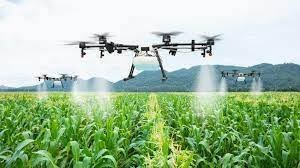
- Drone-based crop monitoring
As internet connectivity expands and mobile penetration increases, even remote rural farmers will gain access to advanced digital tools.
Agritech startups are positioning Africa not just as a consumer of innovation but as a global leader in agricultural transformation.
Conclusion
Agritech startups in Africa are unlocking the full potential of the continent’s agricultural sector. By improving productivity, expanding market access, enabling financial inclusion, strengthening supply chains, and empowering youth, these startups are driving sustainable growth.
The benefits extend beyond farms — they contribute to food security, economic development, and climate resilience across Africa.
With continued investment and innovation, agritech startups will play a central role in shaping Africa’s agricultural future and ensuring that the continent fully enjoys the benefits of modern, technology-driven farming.
𝐉𝐨𝐢𝐧 𝐎𝐮𝐫 𝐖𝐡𝐚𝐭𝐬𝐀𝐩𝐩 𝐠𝐫𝐨𝐮𝐩 𝐟𝐨𝐫 𝐦𝐨𝐫𝐞 𝐮𝐩𝐝𝐚𝐭𝐞𝐬 : https://chat.whatsapp.com/HT6ebp6IWfcKsT9nwXhkXn?mode=hqrt2