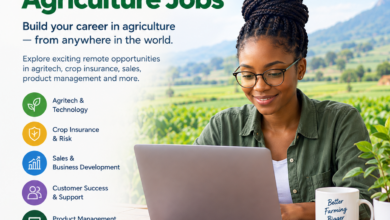
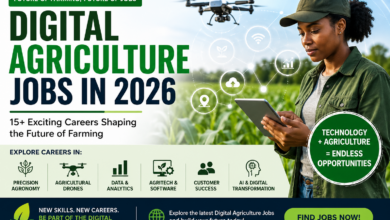
Remote agriculture jobs are transforming the farming industry by offering high-paying remote careers in agritech, data analysis, and agronomy 2026.


Table of Contents
Remote Agriculture Jobs in 2026: High-Paying Opportunities, Skills, and How to Get Started
The global agriculture industry is undergoing a digital transformation, creating a surge in remote job opportunities that combine technology, sustainability, and food production. Platforms like ZipRecruiter highlight a growing demand for professionals who can work remotely in agriculture, from data analysts and consultants to sales managers and agritech specialists.
This article explores remote agriculture jobs in detail, including salary ranges, job types, benefits, required skills, and how to land one of these roles in 2026.
What Are Remote Agriculture Jobs?
Remote agriculture jobs are roles that allow professionals to support farming, agribusiness, and food production without being physically present on-site. These jobs rely heavily on digital tools, data analysis, and communication platforms to manage agricultural operations from anywhere in the world.
Common responsibilities include analyzing crop data, providing agronomic advice, managing supply chains, supporting agricultural technology systems, and consulting with farmers virtually. These roles are part of a broader shift toward precision agriculture and digital farming solutions.
Remote agriculture positions are ideal for professionals who want flexibility while still contributing to global food systems and sustainability efforts.
Types of Remote Agriculture Jobs
The remote agriculture sector is diverse, offering roles across different skill levels and specializations. Here are some of the most common job categories:
Agricultural Data Analysts and Digital Specialists
These professionals work with data from satellites, sensors, and farm management systems to optimize crop production and efficiency. They often use GIS tools, remote sensing, and AI-powered analytics to support decision-making.
Agronomy Consultants
Agronomy consultants provide expert advice on soil health, crop management, and pest control. Remote consultants communicate with farmers via video calls, reports, and digital platforms.
Agricultural Sales and Account Managers
Sales professionals help promote agricultural products such as seeds, fertilizers, and machinery. Many of these roles are now fully remote, focusing on building relationships and managing accounts virtually.
Farmer Outreach Specialists
These roles involve engaging farming communities, organizing training programs, and supporting sustainable agriculture initiatives remotely.
Remote Equipment Monitoring and Support
With the rise of smart farming, some professionals remotely monitor autonomous tractors and machinery, ensuring operations run smoothly.
Agricultural HR and Administrative Roles
Human resource professionals and administrative staff also play a role in agriculture, managing recruitment, compliance, and employee relations remotely.
𝐕𝐢𝐬𝐢𝐭 𝐎𝐟𝐟𝐢𝐜𝐢𝐚𝐥 𝐒𝐢𝐭𝐞 𝐭𝐨 𝐀𝐩𝐩𝐥𝐲
Salary Expectations for Remote Agriculture Jobs
One of the biggest advantages of remote agriculture jobs is the competitive salary range. According to data from ZipRecruiter:
- Entry-level roles can start around 17–20 dollars per hour
- Mid-level professionals earn around 29–32 dollars per hour on average
- Senior roles can reach 65,000–90,000 dollars per year
- Specialized digital agriculture roles have median salaries of about 60,000+ annually
- High-level agribusiness and tech roles can exceed 100,000 per year
These figures show that remote agriculture is not just flexible but also financially rewarding, especially for those with technical expertise.
Benefits of Remote Agriculture Jobs
Remote agriculture roles offer a wide range of benefits that make them attractive to job seekers worldwide:
Flexible Work Environment
Employees can work from home or any location, eliminating commuting costs and improving work-life balance.
Competitive Salaries
Salaries are competitive and often higher for specialized roles.
Health and Insurance Benefits
Many companies offer medical insurance, dental and vision coverage, and prescription benefits.
Career Growth Opportunities
With the rise of agritech, professionals can transition into advanced roles in AI, data science, and sustainability.
Global Job Access
Remote work allows professionals from countries like Zimbabwe to access international job markets.
Paid Time Off and Retirement Plans
Many full-time roles include paid leave, retirement contributions, and performance bonuses.
Skills Required for Remote Agriculture Jobs
To succeed in remote agriculture, you need a combination of technical expertise and soft skills.
Technical Skills
Agronomy and crop science knowledge, data analysis and interpretation, familiarity with GIS and remote sensing tools, experience with precision agriculture technologies, and understanding of farm management software are essential.
Soft Skills
Strong communication skills, problem-solving ability, self-motivation, discipline, and adaptability to new technologies are crucial for remote work success.
Challenges of Remote Agriculture Jobs
While remote agriculture offers many advantages, it also comes with challenges.
Limited Field Access
Some roles require occasional site visits, which may not always be feasible.
Communication Barriers
Working with teams in different time zones can create delays and misunderstandings.
Technology Dependence
Reliable internet and digital tools are essential for productivity.
Continuous Learning
The agriculture industry is evolving rapidly, requiring professionals to stay updated on new technologies and practices.
𝐉𝐨𝐢𝐧 𝐎𝐮𝐫 𝐖𝐡𝐚𝐭𝐬𝐀𝐩𝐩 𝐆𝐫𝐨𝐮𝐩 𝐟𝐨𝐫 𝐌𝐨𝐫𝐞 𝐔𝐩𝐝𝐚𝐭𝐞𝐬
Why Remote Agriculture Jobs Are Growing
Several factors are driving the growth of remote agriculture jobs.
Digital Transformation
The adoption of AI, IoT, and data analytics is reshaping farming practices.
Global Food Demand
As the global population increases, efficient food production becomes more critical.
Sustainability Focus
Companies are investing in sustainable farming methods, creating new roles in environmental monitoring and resource management.
Remote Work Culture
The shift toward remote work across industries has extended to agriculture, making it more accessible.
How to Get a Remote Agriculture Job
If you are looking to enter this field, here are practical steps to follow.
Build Relevant Skills
Focus on agriculture, data analysis, or agritech certifications.
Gain Experience
Start with internships, freelance work, or local agricultural projects.
Use Job Platforms
Search for opportunities on platforms like ZipRecruiter, which list remote agriculture roles across different experience levels.
Tailor Your Resume
Highlight your technical skills, remote work experience, and knowledge of agricultural systems.
Network in the Industry
Join online communities, attend webinars, and connect with professionals in agritech.
The Future of Remote Agriculture Careers
The future of remote agriculture jobs looks promising. With advancements in technology, more roles will become fully remote, including AI-driven crop monitoring, automated farm management systems, remote-controlled agricultural machinery, and blockchain-based supply chain management.
These innovations will continue to create new opportunities for professionals worldwide.
𝐀𝐥𝐬𝐨 𝐑𝐞𝐚𝐝 : https://www.datadriveharvest.com/2026/02/25/agritech-startups-in-africa/
Conclusion
Remote agriculture jobs are transforming the way the agricultural industry operates. They offer flexibility, competitive salaries, and the opportunity to work on global challenges such as food security and sustainability.
Whether you are an agronomist, data analyst, or sales professional, there are numerous opportunities to build a successful career in this growing field. By developing the right skills and leveraging job platforms, you can position yourself for a rewarding remote career in agriculture.
As technology continues to evolve, remote agriculture will not just be an option but a standard way of working in the industry.