Dairy Farming 9 Powerful Ways Remote Sensors Are Transforming Dairy Farming In 2026.

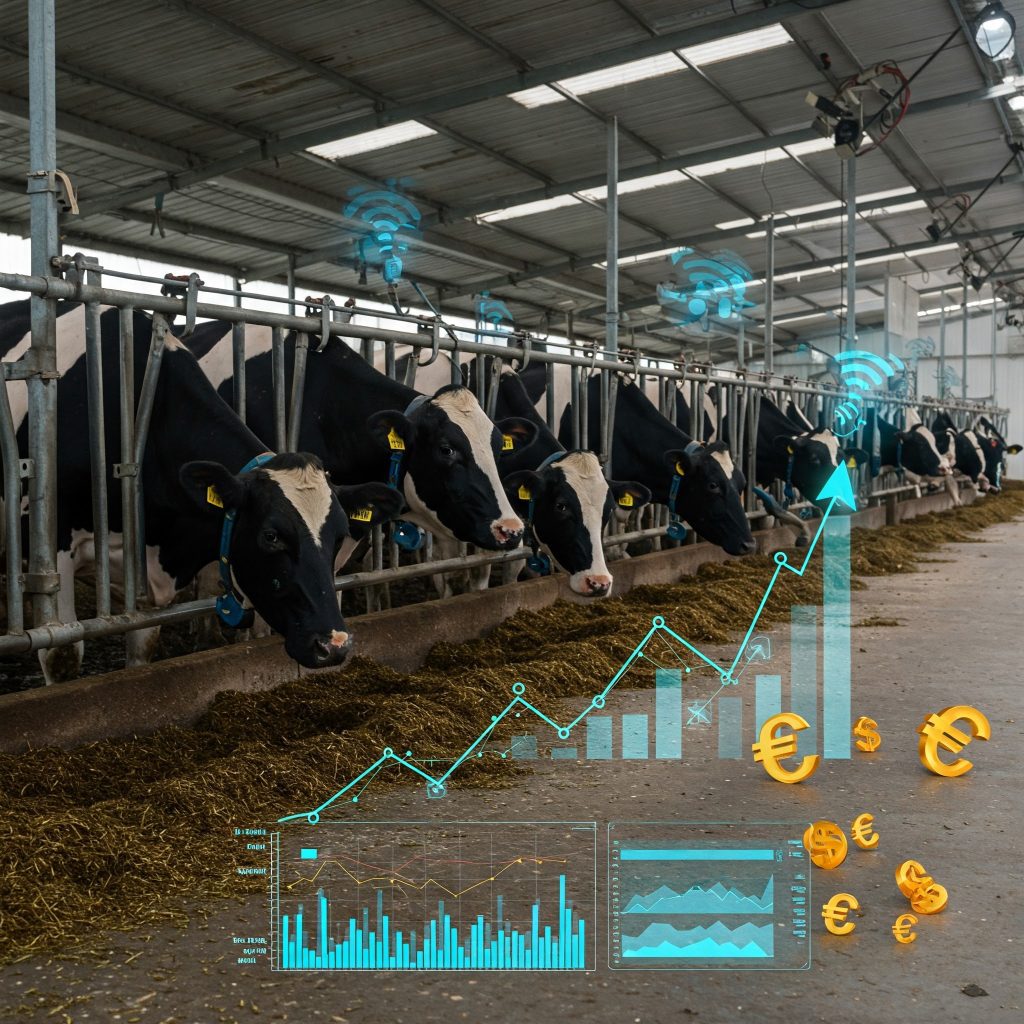
Table of Contents
Introduction: The Smart Dairy Farming Revolution
What if dairy farmers could monitor their cows, pastures, and soil conditions without constantly walking across their farms? Modern technology is making this possible. Remote sensors in dairy farming are transforming the industry by giving farmers real-time data about their animals, crops, and environment. These tools help farmers make smarter decisions that increase milk production, improve animal health, and reduce operational costs.
Across the world, dairy farmers are adopting sensor technologies to run more efficient farms. From monitoring soil moisture to tracking livestock behavior, remote sensors in dairy farming allow farmers to respond quickly to changes on the farm. As agriculture moves toward data-driven practices, remote sensing is becoming a key technology that helps dairy farms remain productive and sustainable in an increasingly competitive industry.
What Are Remote Sensors in Dairy Farming?
Remote sensors in dairy farming are smart devices placed in fields, barns, or on livestock to collect important data automatically. These sensors measure environmental and biological conditions such as soil moisture, temperature, pasture growth, animal movement, and weather patterns.
Instead of relying only on manual observation, farmers can now access detailed information directly from their phones or computers. This technology provides a clearer picture of what is happening across the entire farm at any moment.
Several types of remote sensors in dairy farming are commonly used today. These include soil moisture sensors, livestock health monitors, weather stations, satellite imagery, and drone-mounted cameras. Each type of sensor gathers valuable information that helps farmers manage their operations more efficiently. By combining these data sources, dairy farmers can make decisions based on evidence rather than guesswork.
𝐀𝐥𝐬𝐨 𝐑𝐞𝐚𝐝 : https://www.datadriveharvest.com/2026/03/09/digital-technologies/
Improving Pasture Management with Remote Sensors
One of the most important factors in dairy farming is pasture quality. Healthy pasture provides cows with the nutrients they need to produce high-quality milk. Remote sensors in dairy farming allow farmers to monitor pasture growth and grazing patterns more effectively.
Satellite imagery and drone technology can capture detailed images of farmland, helping farmers identify areas where grass growth is strong and where it may be weaker. By analyzing this data, farmers can adjust grazing rotations to ensure cows always have access to nutritious forage.
This approach helps maintain pasture health while preventing overgrazing. When pasture is managed properly, cows receive better nutrition and farmers spend less money on supplemental feed. In the long term, improved pasture management can increase milk production while also preserving soil health and biodiversity.

Monitoring Animal Health in Real Time
Keeping dairy cows healthy is essential for maintaining productivity on the farm. Remote sensors in dairy farming are making it easier for farmers to monitor their animals continuously without physically checking each cow.
Wearable sensors attached to collars, ear tags, or leg bands can track important indicators such as movement, body temperature, and feeding behavior. If a cow shows unusual patterns such as reduced activity or changes in eating habits, the system can alert the farmer immediately.
Early detection of health issues allows farmers to respond quickly before problems become serious. This not only improves animal welfare but also prevents production losses caused by illness or stress. In many modern dairy farms, these wearable sensors are becoming an essential tool for herd management.
Optimizing Feed Efficiency
Feed is one of the largest expenses in dairy farming. Ensuring that cows receive the right amount of high-quality feed is crucial for maintaining milk production and controlling costs.
Remote sensors in dairy farming help farmers optimize feed efficiency by providing data about soil conditions, pasture growth, and crop quality. Soil moisture sensors measure the amount of water in the soil and help farmers manage irrigation more effectively. When soil moisture levels are balanced, crops grow healthier and provide better feed for livestock.
Sensors that measure soil pH and nutrient levels also help farmers maintain optimal soil conditions for fodder crops. By using these technologies, dairy farmers can produce more nutritious feed while reducing waste and input costs.
Weather Monitoring for Better Farm Decisions
Weather conditions have a major impact on dairy farming. Rainfall, temperature, and humidity influence pasture growth, crop health, and animal comfort. Remote sensors in dairy farming allow farmers to track these environmental factors in real time.
With accurate weather data, farmers can make better decisions about planting, irrigation, and grazing schedules. For example, if sensors predict a period of heavy rainfall, farmers can adjust their grazing plans to protect pastures from damage.
Access to local weather information also helps farmers prepare for extreme conditions such as heat waves or droughts. By responding quickly to changing weather patterns, dairy farmers can reduce risks and maintain consistent farm productivity.
Reducing Water and Resource Waste
Efficient resource management is becoming increasingly important in modern agriculture. Remote sensors in dairy farming help farmers use water, fertilizer, and other inputs more precisely.
Soil moisture sensors allow farmers to apply water only when it is needed, preventing over-irrigation and conserving valuable resources. This is especially important in regions where water scarcity is becoming a growing concern.
Electrical conductivity sensors and pH sensors also provide insights into soil health, helping farmers maintain the right balance of nutrients for crop growth. By applying fertilizers more precisely, farmers can reduce environmental impacts while maintaining high productivity.
Overall, sensor-based farming allows dairy operations to become more sustainable while still meeting the growing demand for milk and dairy products.
Increasing Operational Efficiency on Dairy Farms
Running a dairy farm involves managing many different tasks, from monitoring pastures to maintaining livestock health. Remote sensors in dairy farming simplify farm management by automating data collection and analysis.
Instead of spending hours manually checking fields or walking through barns, farmers can review sensor data from a smartphone or computer dashboard. This saves time and allows farmers to focus on more strategic decisions that improve farm performance.
Automation also reduces human error and ensures that important changes on the farm are detected quickly. As a result, farmers can respond faster to problems and maintain smooth operations throughout the year.
𝐉𝐨𝐢𝐧 𝐎𝐮𝐫 𝐖𝐡𝐚𝐭𝐬𝐀𝐩𝐩 𝐠𝐫𝐨𝐮𝐩 𝐟𝐨𝐫 𝐌𝐨𝐫𝐞 𝐔𝐩𝐝𝐚𝐭𝐞𝐬 : https://chat.whatsapp.com/HT6ebp6IWfcKsT9nwXhkXn?mode=hqrt2
Supporting Sustainable Dairy Farming
Sustainability is becoming a major priority for the global dairy industry. Consumers and policymakers are increasingly demanding farming practices that protect natural resources and reduce environmental impact.
Remote sensors in dairy farming play a key role in achieving these goals. By providing accurate data about soil health, water usage, and pasture conditions, sensors help farmers adopt more sustainable management practices.
Precision farming techniques powered by sensor data allow farmers to reduce fertilizer use, conserve water, and improve soil quality. These practices not only protect the environment but also improve long-term farm productivity.
The Future of Smart Dairy Farming
The use of remote sensors in dairy farming is expected to grow rapidly over the next decade. As technology becomes more affordable and accessible, more farmers will adopt these tools to improve productivity and efficiency.
Future innovations may include advanced artificial intelligence systems that analyze sensor data automatically and provide recommendations for farm management. Farmers may also use drones and satellite technology to monitor pastures on a larger scale.
These developments will continue to transform dairy farming into a highly data-driven industry. By embracing smart technologies, dairy farmers can increase milk production, improve animal welfare, and create more sustainable farming systems.
Conclusion: A New Era for Dairy Farming
Remote sensors in dairy farming are changing the way dairy farms operate. By providing real-time information about soil conditions, pasture growth, weather patterns, and animal health, these technologies allow farmers to make smarter decisions that improve productivity and sustainability.
For dairy farmers looking to stay competitive, adopting sensor-based farming practices is becoming increasingly important. The ability to monitor farms remotely, respond quickly to problems, and optimize resource use offers a powerful advantage in modern agriculture.
As remote sensing technology continues to evolve, dairy farming will become more efficient, environmentally responsible, and profitable. The farms that embrace these innovations today will lead the dairy industry into a smarter and more sustainable future.