Discover how AI real-time crop intelligence is transforming farming in Africa. Learn how farmers boost yields, reduce costs, and make smarter decisions using AI-powered tools in 2026.

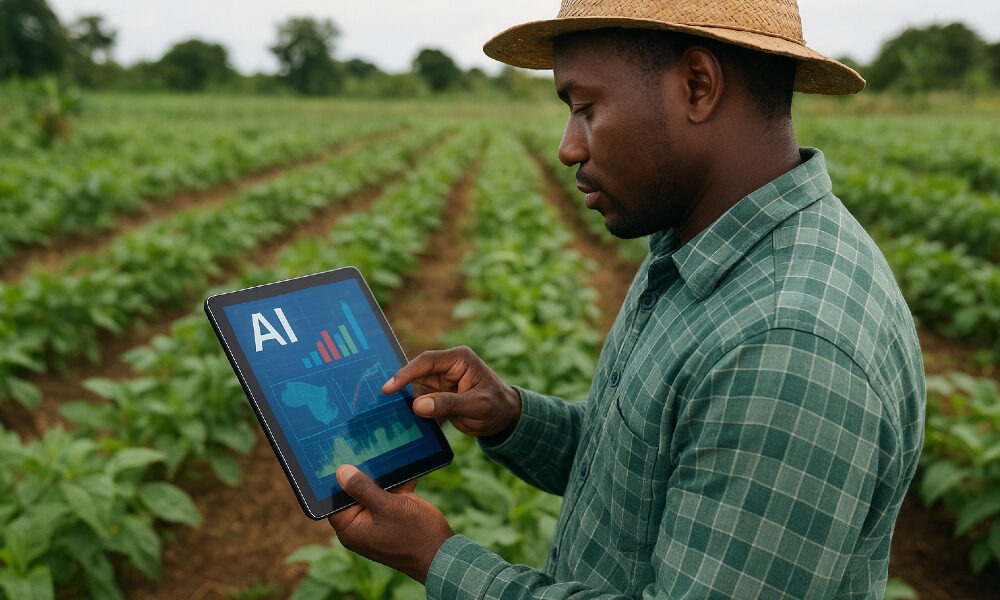
Table of Contents
Introduction: The Future of Farming Is Happening Now
What if farmers could predict crop diseases, detect drought stress, and optimize irrigation before problems even appear? That future is already here. AI real-time crop intelligence is transforming agriculture across Africa by giving farmers instant access to critical data. From satellite imagery to soil sensors and mobile apps, this powerful technology is helping farmers make smarter, faster decisions every day.
As climate change and food security challenges grow, African farmers are turning to AI real-time crop intelligence to improve yields, reduce costs, and protect their livelihoods. This trend is not just growing—it is expanding rapidly across the continent.
What Is AI Real-Time Crop Intelligence?
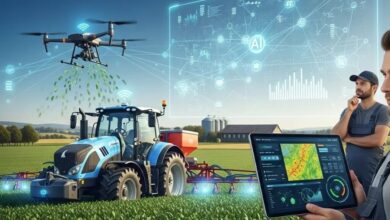
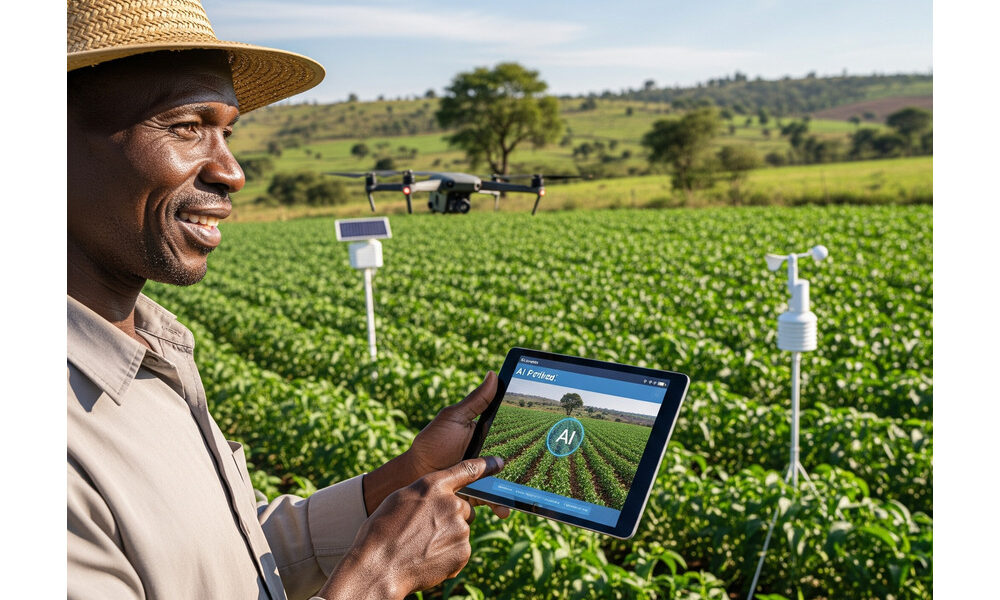
AI real-time crop intelligence refers to the use of artificial intelligence combined with live data sources such as satellites, drones, and field sensors to monitor crops and farming conditions instantly. Instead of relying on guesswork or delayed reports, farmers can now receive real-time updates about their fields.
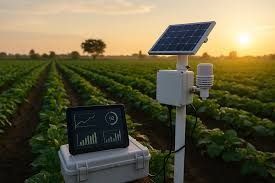
For example, satellite data can show crop stress before it becomes visible to the human eye. Soil sensors can detect moisture levels and send alerts when irrigation is needed. AI systems analyze this data and provide recommendations directly to farmers through mobile apps.
This technology is especially valuable in Africa, where many farmers manage large areas with limited resources. AI real-time crop intelligence allows them to monitor crops remotely and make informed decisions without needing constant physical inspection.
How AI Real-Time Crop Intelligence Helps Farmers Make Faster Decisions
One of the biggest advantages of AI real-time crop intelligence is speed. Traditional farming methods often rely on manual observation, which can delay critical decisions. With AI, farmers receive instant insights that help them act quickly.
For instance, if a pest outbreak begins in a small section of a field, AI systems can detect it early and alert the farmer. This allows targeted treatment instead of spraying the entire field, saving both money and resources.
In addition, AI-powered weather predictions help farmers prepare for extreme conditions such as droughts or heavy rainfall. By adjusting planting schedules or irrigation plans, farmers can reduce risks and protect their crops.
This level of precision is transforming agriculture from reactive to proactive, which is essential in today’s unpredictable climate.
𝐀𝐥𝐬𝐨 𝐑𝐞𝐚𝐝 : https://www.datadriveharvest.com/2026/03/04/data/
Why AI Real-Time Crop Intelligence Is Growing Rapidly in Africa
Africa is experiencing a surge in digital agriculture adoption, and AI real-time crop intelligence is at the center of this growth. One key reason is the widespread use of mobile phones. Even in rural areas, farmers can access AI-powered platforms through simple mobile applications.
Another factor is the increasing availability of affordable technology. Sensors, drones, and satellite data are becoming more accessible, making it easier for farmers to adopt modern tools.
Climate change is also driving adoption. African farmers face unpredictable weather patterns, which can lead to crop failures. AI real-time crop intelligence helps them adapt by providing accurate forecasts and early warnings.
Governments and agricultural organizations are also investing in digital agriculture initiatives, further accelerating the adoption of AI technologies across the continent.
7 Explosive Ways AI Real-Time Crop Intelligence Is Transforming Farming
1. Early Detection of Crop Diseases
AI systems can identify signs of disease before they spread across the field. By analyzing images and data, farmers can take action early and prevent major losses.
2. Smart Irrigation Management
AI real-time crop intelligence helps farmers use water more efficiently by analyzing soil moisture and weather data. This ensures crops receive the right amount of water at the right time.
3. Precision Fertilizer Application
Instead of applying fertilizer evenly across the field, AI identifies areas that need more nutrients. This reduces waste and improves crop growth.
4. Real-Time Weather Predictions
Farmers can receive accurate weather forecasts that help them plan planting, irrigation, and harvesting activities more effectively.
5. Improved Yield Prediction
AI models analyze historical and real-time data to predict crop yields. This helps farmers plan better and improve profitability.
6. Cost Reduction
By optimizing resources such as water, fertilizer, and pesticides, farmers can significantly reduce production costs.
7. Increased Food Security
With better decision-making and higher productivity, AI real-time crop intelligence contributes to improved food security across Africa.
𝐀𝐥𝐬𝐨 𝐑𝐞𝐚𝐝 : https://www.datadriveharvest.com/2026/03/17/variable-rate-application/
Real Benefits of AI Real-Time Crop Intelligence for African Farmers
The benefits of AI real-time crop intelligence go beyond technology—they directly impact farmers’ livelihoods. By using AI tools, farmers can increase yields while reducing costs, leading to higher profits.
Water conservation is another major benefit. In regions where water is scarce, AI helps farmers use resources efficiently, ensuring sustainability.
AI also reduces risk. By providing early warnings about pests, diseases, and weather changes, farmers can avoid major losses and protect their investments.
In addition, AI real-time crop intelligence supports better market planning. Farmers can predict production levels and align them with market demand, improving income opportunities.
Challenges Facing AI Adoption in Agriculture
Despite its benefits, AI real-time crop intelligence still faces challenges in Africa. Limited internet access in rural areas can restrict the use of digital platforms. In addition, some farmers may lack the technical knowledge needed to use advanced tools.
Cost can also be a barrier, especially for smallholder farmers. While technology is becoming more affordable, initial investment costs may still be high for some farmers.
However, these challenges are gradually being addressed through government support, training programs, and partnerships with agricultural technology companies.
The Future of AI Real-Time Crop Intelligence in Africa
The future of AI real-time crop intelligence in Africa looks promising. As technology continues to evolve, AI systems will become more accurate, affordable, and accessible.
We can expect to see greater integration of AI with mobile platforms, making it easier for farmers to access real-time data. In addition, advancements in machine learning will improve prediction accuracy, helping farmers make even better decisions.
The expansion of digital infrastructure across Africa will also play a key role in accelerating adoption. As more farmers gain access to internet connectivity and digital tools, the impact of AI real-time crop intelligence will continue to grow.
Why This Trend Matters for the Global Agriculture Industry
AI real-time crop intelligence is not just transforming Africa—it is shaping the future of global agriculture. As the world faces increasing demand for food, sustainable farming practices are becoming more important than ever.
AI technologies help farmers produce more with fewer resources, reducing environmental impact and improving efficiency. This is essential for ensuring long-term food security.
In addition, AI-driven agriculture supports data-driven decision-making at all levels, from individual farmers to national governments. This creates more resilient agricultural systems that can adapt to changing conditions.
𝐉𝐨𝐢𝐧 𝐎𝐮𝐫 𝐖𝐡𝐚𝐭𝐬𝐀𝐩𝐩 𝐠𝐫𝐨𝐮𝐩 𝐟𝐨𝐫 𝐦𝐨𝐫𝐞 𝐮𝐩𝐝𝐚𝐭𝐞𝐬 : https://chat.whatsapp.com/HT6ebp6IWfcKsT9nwXhkXn?mode=hqrt2
Conclusion: The Rise of Smart Farming in Africa
AI real-time crop intelligence is revolutionizing agriculture in Africa by providing farmers with the tools they need to succeed in a challenging environment. From improving productivity to reducing costs and managing risks, this technology is transforming how farming is done.
As adoption continues to grow, AI will play an even greater role in shaping the future of agriculture. Farmers who embrace these technologies will be better positioned to thrive in a rapidly changing world.
For Africa, this is more than just a technological shift—it is an opportunity to build stronger, more resilient food systems that support economic growth and food security for generations to come.