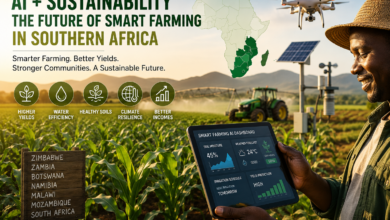
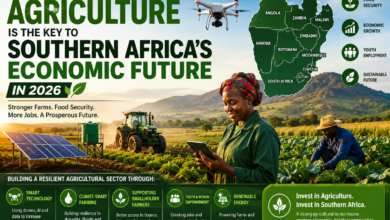
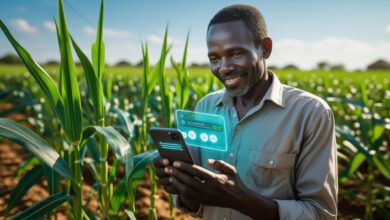
Discover how smart agriculture in Southern Africa is transforming farming with AI, sustainable practices, and digital tools to improve yields, resilience, and food security 2026.

Table of Contents
Introduction
Smart agriculture in Southern Africa is rapidly transforming how farming is done across the region. As climate change intensifies and food demand rises, farmers are increasingly turning to digital tools and artificial intelligence to improve productivity and resilience. From smallholder farmers to large-scale commercial operations, smart agriculture in Southern Africa is becoming essential for survival and growth.
With growing support from global innovators like Microsoft and IBM, farmers now have access to technologies that were once out of reach. These tools are helping reduce risk, improve yields, and create sustainable farming systems suited to the region’s unique challenges.
Understanding Smart Agriculture in Southern Africa
Smart agriculture in Southern Africa refers to the use of advanced technologies such as artificial intelligence, data analytics, and connected devices to improve farming efficiency. This approach focuses on making data-driven decisions that enhance productivity while protecting natural resources.
In practice, smart agriculture in Southern Africa includes:
- AI-powered crop monitoring
- Smart irrigation systems
- Weather forecasting tools
- Digital farm management platforms
These innovations allow farmers to respond quickly to changing conditions and optimize their operations.
Why Smart Agriculture in Southern Africa Is Critical
The need for smart agriculture in Southern Africa is driven by several pressing challenges:
- Unpredictable rainfall and recurring droughts
- Declining soil fertility
- Limited access to modern inputs
- Increasing pressure on food systems
Countries like Zimbabwe, Zambia, and South Africa depend heavily on agriculture for economic stability. By adopting smart agriculture in Southern Africa, these nations can strengthen food security and improve livelihoods.
The Role of Artificial Intelligence in Smart Agriculture in Southern Africa
Artificial intelligence is a key driver of smart agriculture in Southern Africa. It enables farmers to analyze large amounts of data and make informed decisions.
Predictive Insights
AI systems provide forecasts on weather patterns, crop performance, and pest outbreaks. This allows farmers practicing smart agriculture in Southern Africa to plan ahead and reduce losses.
Precision Farming
Precision farming techniques ensure that water, fertilizers, and pesticides are used efficiently. This is especially important in regions where resources are limited.
Real-Time Monitoring
Sensors and drones collect real-time data on soil conditions and crop health. This strengthens smart agriculture in Southern Africa by enabling quick responses to potential issues.
Sustainable Practices Supporting Smart Agriculture in Southern Africa
Sustainability is at the heart of smart agriculture in Southern Africa. Farmers are combining technology with eco-friendly practices to ensure long-term productivity.
Climate-Smart Methods
Climate-smart agriculture helps farmers adapt to environmental changes while reducing their carbon footprint.
Efficient Water Use
Water scarcity is a major issue in the region. Smart irrigation systems are helping farmers optimize water usage and improve efficiency.
Soil Health Management
Improving soil quality is essential for sustainable farming. Smart tools provide insights into soil conditions and recommend best practices.
𝐀𝐥𝐬𝐨 𝐑𝐞𝐚𝐝 : https://www.datadriveharvest.com/2026/03/04/data/
Digital Transformation and Market Access
Agriculture Southern Africa is also improving how farmers access markets and financial services.
Digital Platforms
Mobile-based platforms allow farmers to check market prices, connect with buyers, and receive weather updates.

Financial Inclusion
Access to credit and insurance is improving through digital tools. Organizations such as Food and Agriculture Organization are supporting initiatives that expand financial access for farmers.
Real-World Impact of Smart Agriculture in Southern Africa
Zimbabwe
In Zimbabwe, farmers are adopting mobile technologies to access climate data and improve decision-making.
South Africa
South Africa leads in adopting advanced technologies, making it a key example of successful smart agriculture in Southern Africa.
Zambia
Farmers in Zambia are using digital tools to increase productivity and connect with markets.
Benefits of Smart Agriculture in Southern Africa
Smart agriculture in Southern Africa delivers several important benefits:
Increased Productivity
Farmers can produce more using fewer resources.
Improved Resilience
Technology helps farmers adapt to climate change and unpredictable conditions.
Economic Growth
Agriculture remains a key sector, and it supports income generation and job creation.
Environmental Protection
Efficient resource use reduces environmental impact and promotes sustainability.
Challenges Facing Agriculture in Southern Africa
Despite its advantages, smart agriculture in Southern Africa faces challenges:
- High cost of technology
- Limited internet access in rural areas
- Lack of technical knowledge
- Policy and infrastructure gaps
Addressing these barriers is essential for widespread adoption.
𝐉𝐨𝐢𝐧 𝐎𝐮𝐫 𝐖𝐡𝐚𝐭𝐬𝐀𝐩𝐩 𝐠𝐫𝐨𝐮𝐩 𝐟𝐨𝐫 𝐦𝐨𝐫𝐞 𝐔𝐩𝐝𝐚𝐭𝐞𝐬 : https://chat.whatsapp.com/HT6ebp6IWfcKsT9nwXhkXn?mode=hqrt2
The Future of Smart Agriculture in Southern Africa
The future of smart agriculture in Africa looks promising as innovation continues to grow.
Increased Investment
More funding is being directed toward agricultural technology and innovation.
Improved Connectivity
Better internet access will support the expansion of smart farming solutions.
Integration of Technologies
AI, IoT, and data analytics will work together to enhance smart agriculture in Southern Africa.
Why Smart Agriculture in Southern Africa Matters Now
Agriculture in Southern Africa is critical at a time when climate change and population growth are putting pressure on food systems. By adopting modern technologies, farmers can increase production, reduce risks, and improve their livelihoods.
Conclusion
Southern Africa is transforming the region’s farming landscape. By combining artificial intelligence, digital tools, and sustainable practices, farmers can overcome challenges and build a more resilient future.
With support from organizations like Food and Agriculture Organization and technology leaders such as Microsoft, Southern Africa agriculture will continue to grow and play a vital role in ensuring food security and economic development.