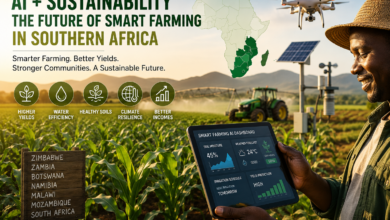
Discover how AI in agriculture in 2026 is transforming farming with smart technology, boosting yields, reducing costs, and shaping the future of global food production.

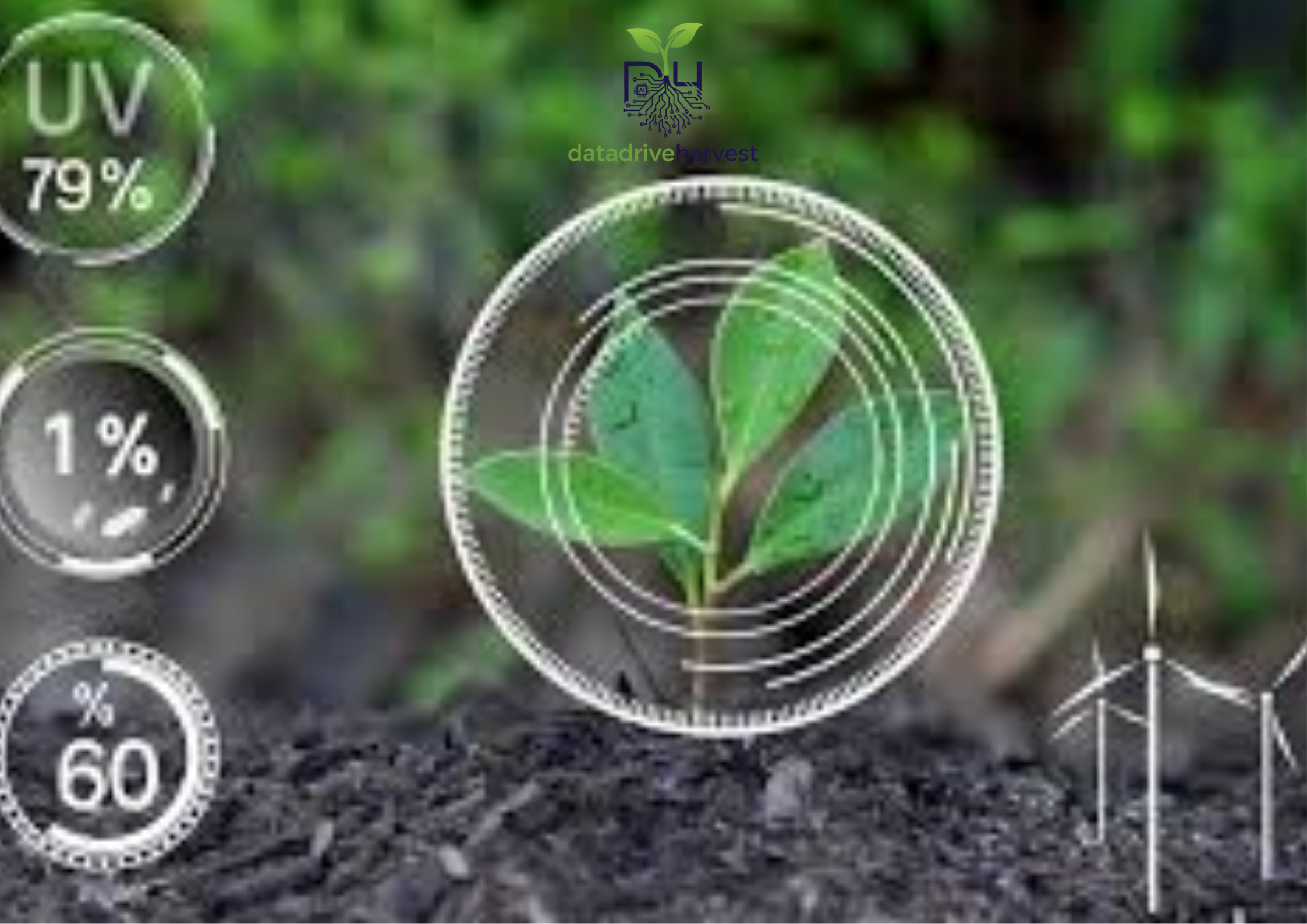
Discover: The Rise of AI in Agriculture in 2026
Artificial Intelligence (AI) is no longer a futuristic concept in farming—it is now a powerful force reshaping how food is grown, managed, and distributed across the globe. In 2026, agriculture is undergoing one of its most significant technological transformations in history, driven by AI-powered tools, predictive analytics, robotics, and smart data systems.
From smallholder farms in Africa to large-scale industrial agriculture in developed nations, AI is becoming the backbone of modern farming. It is helping farmers make better decisions, increase productivity, reduce waste, and adapt to climate challenges. This article explores how AI is revolutionizing agriculture in 2026, the technologies driving this change, the benefits for farmers, and what the future holds.
The Evolution of AI in Agriculture: From Traditional to Intelligent Farming
Agriculture has evolved through several major phases—from manual labor to mechanization, then to precision farming. Now, in 2026, the industry has entered the era of intelligent agriculture, where AI acts as the central decision-making engine.
Unlike traditional farming methods that rely heavily on experience and guesswork, AI-driven agriculture uses data from multiple sources such as weather patterns, soil conditions, satellite imagery, and crop health sensors. These systems analyze vast amounts of data in real time, providing farmers with actionable insights.
AI is no longer just a tool—it is becoming an “operating system” for agriculture, integrating every aspect of farm management into one intelligent ecosystem.
Key AI in Agriculture Technologies Transforming Agriculture in 2026
1. Precision Farming and Smart Sensors
Precision farming is one of the most impactful applications of AI in agriculture. Smart sensors placed in fields collect real-time data on soil moisture, temperature, nutrient levels, and crop health.
AI systems analyze this data to determine exactly when and where to apply water, fertilizers, or pesticides. This reduces waste and ensures optimal crop growth.
For example, AI-powered irrigation systems can now identify which plants need water and which do not, significantly conserving resources and improving yields.
2. Predictive Analytics and Decision Support Systems
One of the biggest advantages of AI is its ability to predict future outcomes. In agriculture, predictive analytics helps farmers anticipate:
- Weather changes
- Pest infestations
- Crop diseases
- Market demand
Instead of reacting to problems, farmers can now prevent them before they occur. This shift from reactive to proactive farming is a game-changer, especially in regions affected by climate change.
AI-driven decision support systems combine historical data with real-time inputs to provide recommendations that improve efficiency and reduce risk.
3. AI in Agricultural Robotics and Automation
Labor shortages and rising costs have made automation essential in agriculture. In 2026, AI-powered robots are performing tasks such as:
- Planting seeds
- Harvesting crops
- Weeding and spraying
- Monitoring livestock
These machines use computer vision and machine learning to perform tasks with high precision. They reduce human error, increase efficiency, and allow farmers to focus on strategic decision-making.
Importantly, AI is not replacing farmers—it is enhancing their role, enabling them to manage complex systems more effectively.
4. AI-Powered Crop Monitoring and Disease Detection
AI systems can analyze images from drones and satellites to detect early signs of crop stress, disease, or nutrient deficiencies.
These technologies can identify problems that are invisible to the human eye, allowing farmers to take corrective action before significant damage occurs.
This leads to:
- Higher crop yields
- Reduced chemical usage
- Improved food quality
5. Generative AI in Agriculture and Virtual Farming Assistants
In 2026, generative AI is becoming a digital farming assistant. Farmers can interact with AI systems using natural language to:
- Ask questions about crop conditions
- Compare farming strategies
- Receive step-by-step recommendations
These AI assistants can explain decisions, simulate scenarios, and provide insights tailored to specific farms, making advanced agricultural knowledge accessible to everyone.
Benefits of AI in Agriculture
Increased Productivity and Efficiency
AI enables farmers to optimize every aspect of production, from planting to harvesting. By using data-driven insights, farms can produce more with fewer resources.
Cost Reduction
Automation and precision farming reduce the need for manual labor, water, fertilizers, and pesticides. This leads to significant cost savings.
Climate Resilience
With climate change causing unpredictable weather patterns, AI helps farmers adapt by providing accurate forecasts and risk assessments.
Sustainability and Environmental Protection
AI minimizes resource waste and reduces environmental impact. Smart irrigation and targeted pesticide use help conserve water and protect ecosystems.
Better Decision-Making
AI provides real-time insights and recommendations, allowing farmers to make informed decisions quickly and confidently.
The Growing AI in Agriculture Market
The adoption of AI in agriculture is accelerating rapidly. In 2026, the global market is valued at over $2.17 billion and is expected to grow significantly in the coming years.
This growth is driven by:
- Increased demand for food
- Technological advancements
- Investment in agri-tech startups
- The need for sustainable farming solutions
AI is becoming a critical investment area for governments, corporations, and farmers worldwide.
Challenges and Concerns
Despite its benefits, AI in agriculture also faces several challenges:
Data Accessibility and Quality
AI systems rely on high-quality data. In many regions, especially in developing countries, data infrastructure is still limited.
High Initial Costs
The cost of implementing AI technologies can be high, making it difficult for small-scale farmers to adopt these solutions.
Dependence on Technology
Over-reliance on AI systems can pose risks, especially if systems fail or provide inaccurate recommendations.
Ethical and Social Concerns
There are concerns about large tech companies controlling agricultural data and influencing farming practices, potentially reducing biodiversity and farmer independence.
𝐀𝐥𝐬𝐨 𝐑𝐞𝐚𝐝 : https://www.datadriveharvest.com/2026/03/18/crop-intelligence/
AI in Agriculture in Africa: Opportunities and Impact
For Africa, AI presents a unique opportunity to transform agriculture and improve food security.
Key Opportunities:
- Smart irrigation systems to address water scarcity
- Mobile-based AI tools for smallholder farmers
- Improved crop monitoring using drones and satellite data
- Access to global markets through data-driven insights
Countries like Zimbabwe can benefit significantly by adopting AI technologies to increase productivity and reduce dependence on imports.
However, success will depend on:
- Investment in infrastructure
- Training and education
- Affordable technology solutions
𝐉𝐨𝐢𝐧 𝐎𝐮𝐫 𝐖𝐡𝐚𝐭𝐬𝐀𝐩𝐩 𝐆𝐫𝐨𝐮𝐩 𝐟𝐨𝐫 𝐌𝐨𝐫𝐞 𝐔𝐩𝐝𝐚𝐭𝐞𝐬
The Future of AI in Agriculture
Looking ahead, AI will continue to evolve and become even more integrated into farming systems.
What to Expect:
- Fully autonomous farms
- Advanced climate prediction models
- AI-driven supply chains
- Integration with renewable energy systems
- Personalized farming recommendations
AI will not replace farmers—it will empower them, making agriculture more efficient, sustainable, and resilient.
Conclusion
The rise of AI in agriculture in 2026 marks a turning point in how the world produces food. With the integration of smart technologies, predictive analytics, and automation, farming is becoming more intelligent, efficient, and sustainable.
AI is helping farmers tackle some of the biggest challenges of our time, including climate change, food security, and resource scarcity. While challenges remain, the potential benefits far outweigh the risks.
As adoption continues to grow, AI will play a crucial role in shaping the future of agriculture—ensuring that the world can feed its growing population while protecting the planet.