Discover how smart farming and agri-tech are transforming food security in Southern Africa in 2026. Learn about AI agriculture, opportunities, challenges, and future jobs in the region.

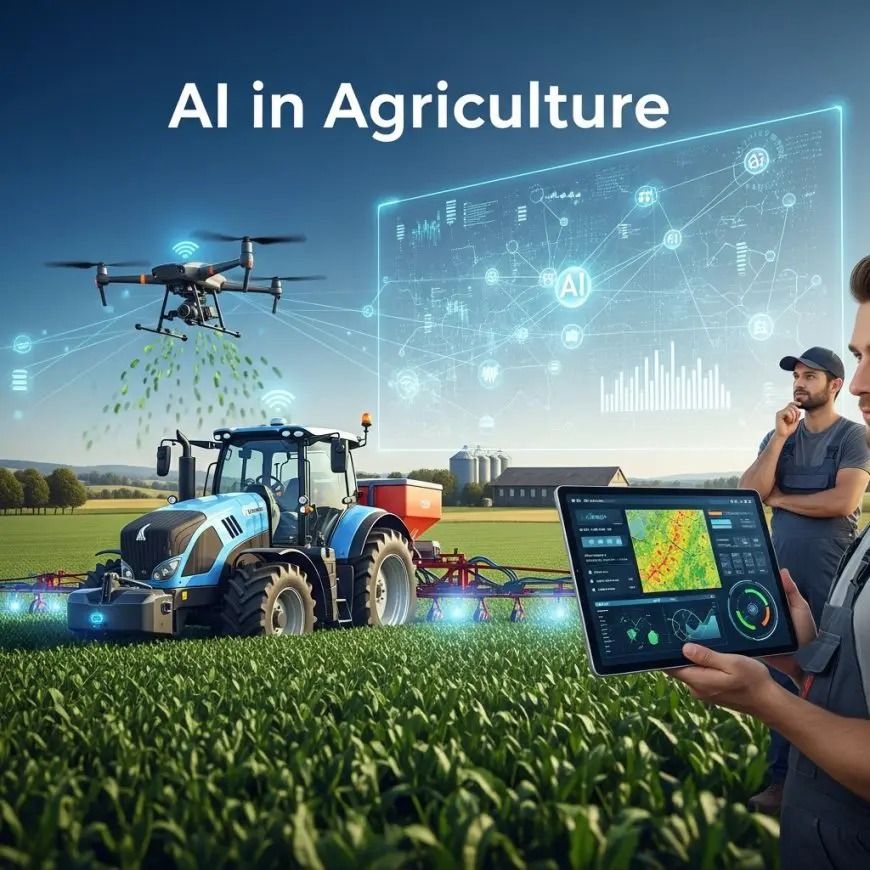
Table of Contents
Discover: Agri-Tech Revolution 2026 in Southern Africa food security – How Smart Farming Is Transforming Food Security
The agricultural industry in Southern Africa is entering a powerful new era driven by technology, innovation, and data. The Agri-Tech Revolution of 2026 is reshaping how food is produced, distributed, and managed across the region.
From South Africa to Zimbabwe, Zambia, and Mozambique, farmers and agribusinesses are adopting smart farming technologies such as artificial intelligence (AI), satellite monitoring, drones, and precision agriculture systems. This transformation is not only improving productivity but also addressing one of the region’s biggest challenges—food security.
As climate change, droughts, and rising population pressure continue to impact agriculture, agri-tech is becoming a critical solution for building a more resilient and sustainable farming future.
What Is Driving the Agri-Tech Revolution in Southern Africa?
The shift toward smart farming is being fueled by several key factors affecting the region:
- Climate change and unpredictable weather patterns
- Water scarcity in key agricultural zones
- Rising demand for food due to population growth
- Limited access to modern farming tools for smallholder farmers
- Government and private sector investment in digital agriculture
Across Southern Africa, agriculture remains a major employer and economic driver, especially in rural communities. However, traditional farming methods are no longer enough to meet modern challenges.
This is where agri-tech is stepping in to bridge the gap.
𝐀𝐥𝐬𝐨 𝐑𝐞𝐚𝐝 : https://www.datadriveharvest.com/2026/04/22/ai-in-agriculture-3/
What Is Smart Farming in 2026?
Smart farming, also known as precision agriculture, refers to the use of technology to improve farming efficiency and productivity.
In Southern Africa, this includes:
- AI-powered crop monitoring systems
- Drone surveillance for large farmlands
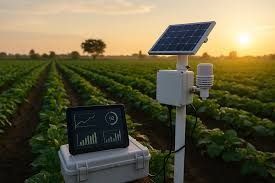
- Soil sensors for real-time data collection
- Satellite imaging for weather and crop analysis
- Mobile apps for farmers to access market and weather data
These tools help farmers make better decisions, reduce waste, and increase crop yields.
How Agri-Tech food security Is Transforming Southern Africa
1. Smarter Crop Production
Farmers can now monitor soil conditions, rainfall, and crop health in real time. This allows for precise decisions on irrigation, fertilizer use, and pest control. Instead of guessing, farmers rely on data-driven insights.
2. Improved Food Security
Smart farming helps increase crop yields, reduce post-harvest losses, and improve supply chain planning. This strengthens food availability across the region.
3. Climate-Smart Agriculture
Agri-tech helps farmers adapt to droughts and climate change through weather forecasting tools, irrigation systems, and early warning systems.
4. Digital Market Access
Farmers can now track prices, sell produce online, and reduce reliance on middlemen, improving income stability.
Opportunities Created by Agri-Tech in Southern Africa
The agri-tech revolution is also creating new career opportunities, including:
- Agricultural data analysts
- GIS and remote sensing specialists
- Smart farming technicians
- Agri-tech consultants
- Drone operators for agriculture
- AI agriculture developers
These roles are growing quickly as the region modernizes its agricultural systems.
𝐉𝐨𝐢𝐧 𝐎𝐮𝐫 𝐖𝐡𝐚𝐭𝐬𝐀𝐩𝐩 𝐆𝐫𝐨𝐮𝐩 𝐟𝐨𝐫 𝐌𝐨𝐫𝐞 𝐔𝐩𝐝𝐚𝐭𝐞𝐬
Why Southern Africa Is a Key Growth Hub
Southern Africa is becoming a major hub for agricultural innovation due to:
- Large agricultural land availability
- Strong food production needs
- Government support for digital agriculture
- A growing technology and startup ecosystem
Countries like South Africa are leading the adoption of precision agriculture and digital farming solutions.
Challenges Facing Agri-Tech in Southern Africa
Despite growth, challenges still exist:
- High cost of technology
- Limited internet access in rural areas
- Lack of digital skills among farmers
- Unequal access to innovation between large and small farms
These issues must be addressed for full adoption of smart farming.
The Future of Farming in Southern Africa
The future of agriculture in the region will be shaped by:
- Artificial intelligence in farming decisions
- Expansion of drone and satellite monitoring
- Mobile-based farming platforms
- Blockchain for supply chain transparency
- Increased investment in agri-tech startups
Smart farming is expected to become the standard practice in the coming years.
𝐀𝐥𝐬𝐨 𝐑𝐞𝐚𝐝 : https://www.datadriveharvest.com/2026/03/18/crop-intelligence/
Why This Matters for Jobs and Income
Agri-tech is also reshaping the job market in Southern Africa by creating new digital agriculture careers.
This includes:
- Remote agriculture jobs
- Data-driven farming roles
- Agri-tech consulting positions
This shift is especially important in addressing youth unemployment in the region.
Conclusion
The Agri-Tech Revolution in Southern Africa 2026 is transforming agriculture into a modern, data-driven industry. Smart farming is improving food security, creating jobs, and building a more resilient agricultural system.
As technology continues to expand across the region, those who adapt early will benefit the most from this new agricultural economy.