Discover how the future of food in Southern Africa is being transformed by AI, vertical farming, and robotics to improve food security, sustainability, and agricultural resilience 2026.

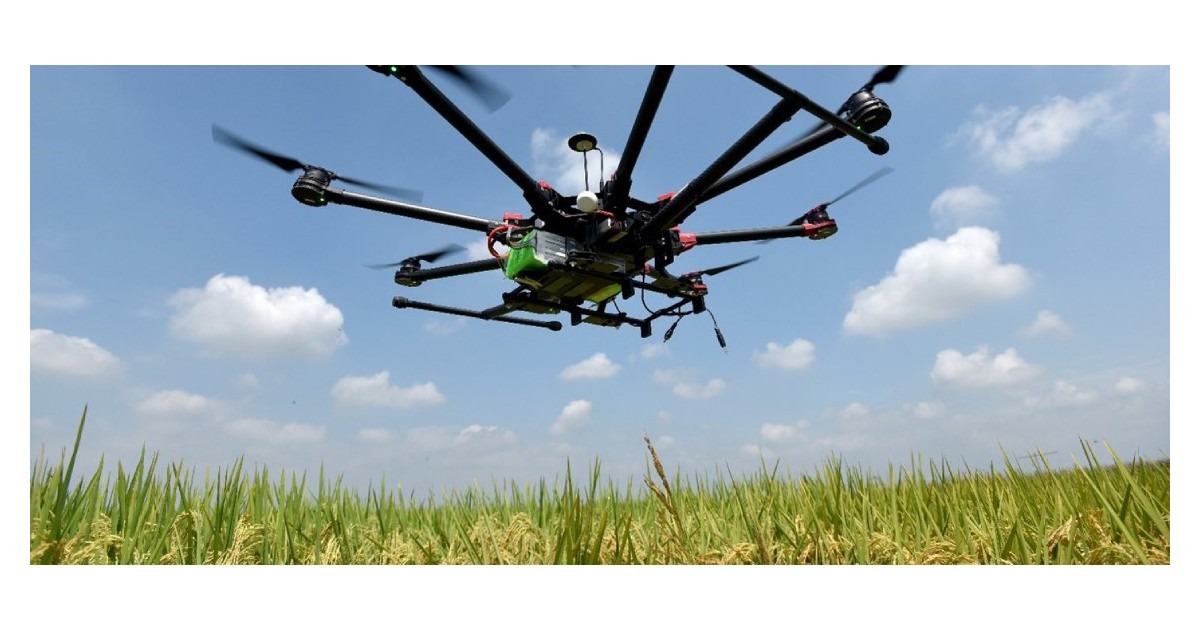
Table of Contents
Introduction
The future of food in Southern Africa is rapidly evolving as the region faces increasing pressure from climate change, population growth, and food insecurity. Traditional farming systems are struggling to keep up with unpredictable weather patterns, prolonged droughts, and declining soil fertility. As a result, countries across the region are turning to advanced technologies to secure their food systems.
The future of food in Southern Africa is being shaped by artificial intelligence, vertical farming, and robotics—innovations that are redefining how food is produced in both rural and urban areas. With support from global technology leaders like Microsoft and IBM, these solutions are becoming more accessible and impactful.
This transformation is not just about innovation; it is about survival, sustainability, and economic growth for millions of people who depend on agriculture.
Understanding the Future of Food in Southern Africa
The future of food in Southern Africa refers to the adoption of modern agricultural technologies to improve productivity, resilience, and sustainability. It focuses on producing more food with fewer resources while adapting to the region’s unique challenges.
Key drivers include:
- Climate variability and extreme weather
- Growing urban populations
- Limited access to arable land
- Increasing demand for sustainable food systems
The future of food in Southern Africa is centered on using technology to overcome these barriers and build a more resilient agricultural sector.
𝐀𝐥𝐬𝐨 𝐑𝐞𝐚𝐝 : https://www.datadriveharvest.com/2026/03/30/data-driven-agriculture-insurance/
The Role of Artificial Intelligence in the Future of Food in Southern Africa
Artificial intelligence is playing a critical role in transforming the future of food in Southern Africa by enabling farmers to make data-driven decisions.
Predictive Farming
AI systems analyze weather patterns, soil conditions, and crop performance to forecast outcomes. This helps farmers prepare for droughts, pests, and other risks common in countries like Zimbabwe and Zambia.
Precision Agriculture
Precision agriculture allows farmers to apply water, fertilizers, and pesticides more efficiently. This is particularly important in water-scarce regions such as Namibia.
Smart Monitoring
Sensors and drones provide real-time insights into crop health and soil conditions. This strengthens the future of food in Southern Africa by improving productivity and reducing losses.
Vertical Farming and the Future of Food in Southern Africa
Vertical farming is emerging as a key solution for urban food production in Southern Africa. With limited land in cities, this method allows crops to be grown in stacked layers within controlled environments.
Why Vertical Farming Matters
- Reduces dependence on rural agriculture
- Enables year-round food production
- Uses significantly less water
- Requires minimal land space
Cities in South Africa are already adopting vertical farming to supply fresh produce to urban populations.
Climate Resilience
Vertical farming protects crops from extreme weather conditions, making it ideal for regions affected by droughts and temperature fluctuations.
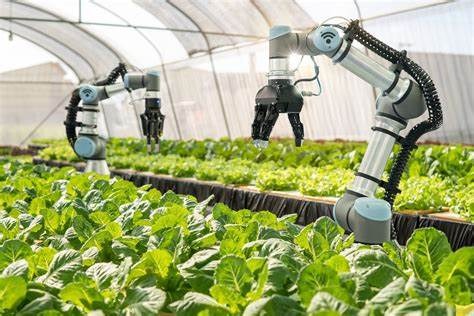
Robotics and Automation in Southern African Agriculture
Robotics is another key component shaping the future of food in Southern Africa. Automation is helping farmers overcome labor shortages and improve efficiency.
Automated Harvesting
Robots can harvest crops quickly and accurately, reducing losses and increasing productivity.
Precision Planting
Robotic systems ensure seeds are planted at optimal depths and spacing, improving yields.
Reduced Labor Dependency
Automation reduces the need for manual labor, which is becoming increasingly scarce in some areas.
Sustainability and Climate Impact
The future of food in Southern Africa is closely linked to sustainability. These technologies help reduce environmental impact while increasing efficiency.
Efficient Resource Use
AI and vertical farming systems optimize water and nutrient usage, which is critical in drought-prone regions.
𝐉𝐨𝐢𝐧 𝐎𝐮𝐫 𝐖𝐡𝐚𝐭𝐬𝐀𝐩𝐩 𝐆𝐫𝐨𝐮𝐩 𝐟𝐨𝐫 𝐌𝐨𝐫𝐞 𝐔𝐩𝐝𝐚𝐭𝐞𝐬
Lower Emissions
Urban and vertical farming reduce transportation needs, lowering carbon emissions.
Climate Adaptation
Controlled environments and predictive tools help farmers adapt to changing climate conditions.
Real-World Impact Across Southern Africa
Zimbabwe
In Zimbabwe, farmers are beginning to adopt AI-driven tools to improve crop planning and manage climate risks.
South Africa
South Africa is leading in adopting vertical farming and precision agriculture technologies, making it a hub for innovation.
Zambia
Farmers in Zambia are using digital tools to improve productivity and access markets.
Namibia
In Namibia, water-efficient farming technologies are helping address extreme drought conditions.
Benefits of the Future of Food in Southern Africa
Improved Food Security
The future of food in Southern Africa ensures consistent food supply despite climate challenges.
Economic Opportunities
New technologies create jobs in agriculture, technology, and logistics.
Increased Productivity
Farmers can produce more food with fewer resources.
Environmental Sustainability
Efficient systems reduce waste and protect natural resources.
Challenges Facing the Future of Food in Southern Africa
Despite its potential, the future of food in Southern Africa faces several challenges:
- High cost of technology adoption
- Limited infrastructure in rural areas
- Lack of technical skills and training
- Policy and regulatory barriers
Overcoming these challenges will require collaboration between governments, private sector players, and development organizations.
The Future Outlook for Southern Africa
The future of food in Southern Africa is promising, with several trends driving growth:
Increased Investment
More funding is being directed toward agri-tech startups and innovation.
Expansion of Digital Infrastructure
Improved connectivity will support the adoption of smart farming technologies.
Integration of Technologies
AI, robotics, and vertical farming will work together to create efficient food systems.
Why the Future of Food in Southern Africa Matters Now
The future of food in Southern Africa is critical at a time when climate change and population growth are putting immense pressure on food systems. By adopting advanced technologies, the region can:
- Increase food production
- Reduce reliance on imports
- Build resilient agricultural systems
- Improve livelihoods
Conclusion
The future of food in Southern Africa is being transformed by artificial intelligence, vertical farming, and robotics. These technologies are enabling farmers to overcome challenges, increase productivity, and build sustainable food systems.
With support from global leaders like Microsoft and IBM, the region has the opportunity to lead in innovative agricultural practices.
As adoption grows, the future of food in Southern Africa will play a crucial role in ensuring food security, economic growth, and environmental sustainability for generations to come.